What Form Retains
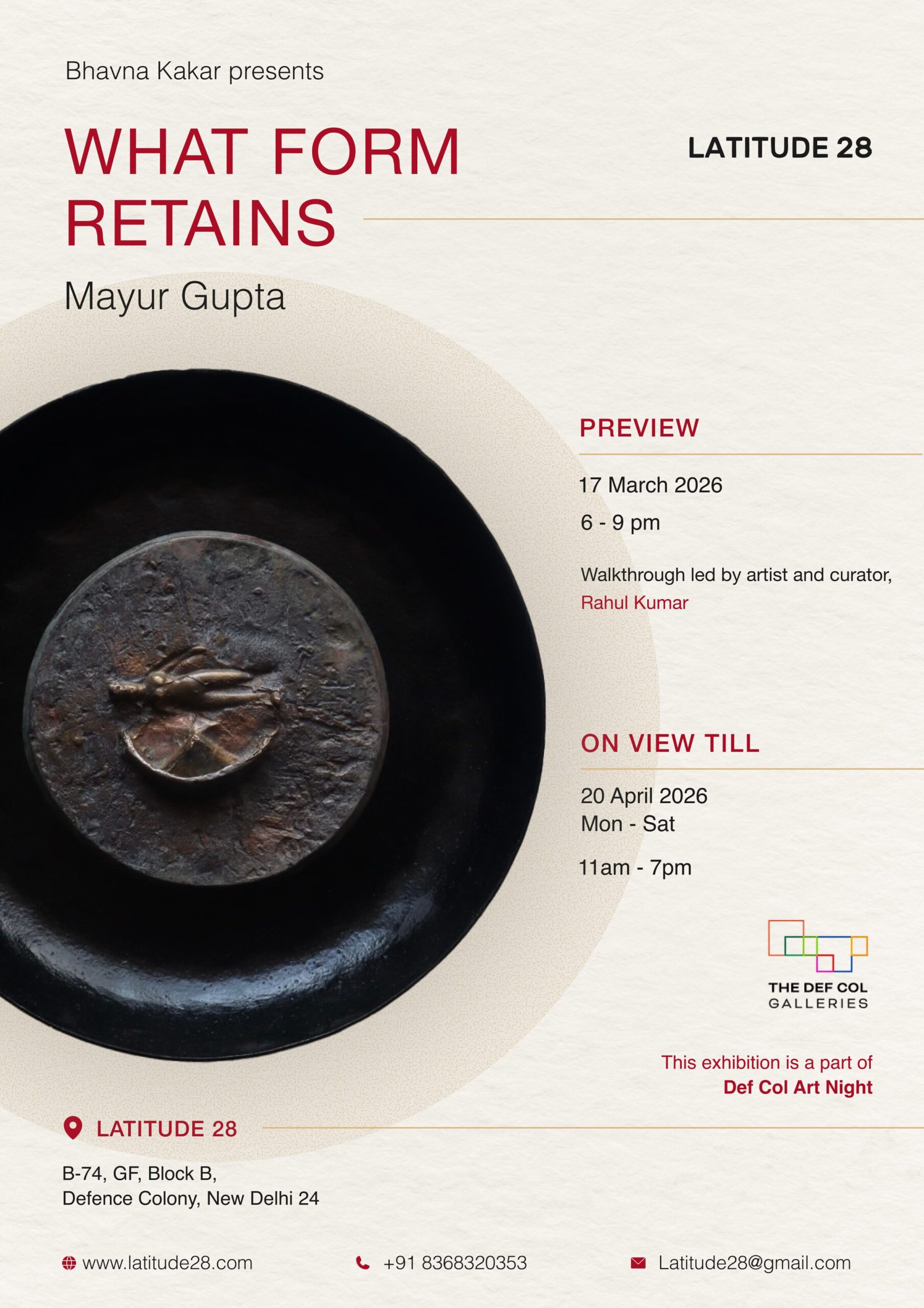
Mar 17, 2026 - Apr 20, 2026
- SELECTED WORKS
- CURATORIAL NOTE
- INVITE
- PRESS RELEASE
- DOWNLOAD CATALOGUE
What Form Retains
MAYUR GUPTA
What does form retain?
In Mayur Kailash Gupta’s practice, the question opens onto persistence. Across years of making, certain configurations return, carried forward through the body’s memory of gesture. Familiar volumes reappear because the hand remembers their balance, their resistance, their weight. Gupta describes this process with disarming clarity: “While sculpting, I am not aware of what I am doing. Images come floating in my mind.” The work begins close to matter. Recognition comes later. Form is not imposed so much as found surfacing slowly through encounter.
This orientation toward making bears the trace of an early intimacy with craft. As a child, Gupta watched his mother produce objects of use and adornment through small acts of assembly and adjustment. These gestures belonged to the quiet duration of everyday labour. Their rhythm lingers in his sculptural practice, where handling material becomes a way of returning to thought through touch.
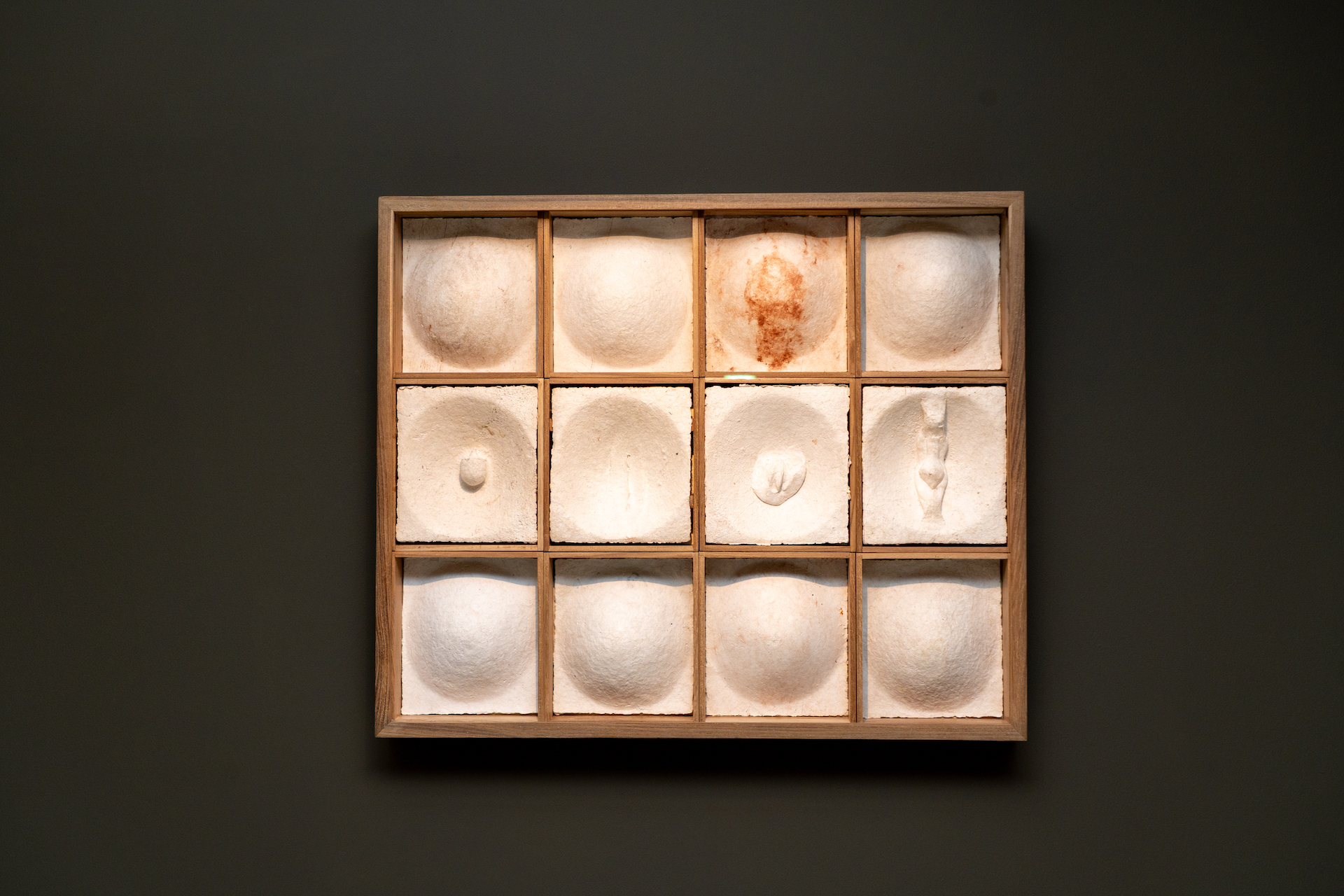
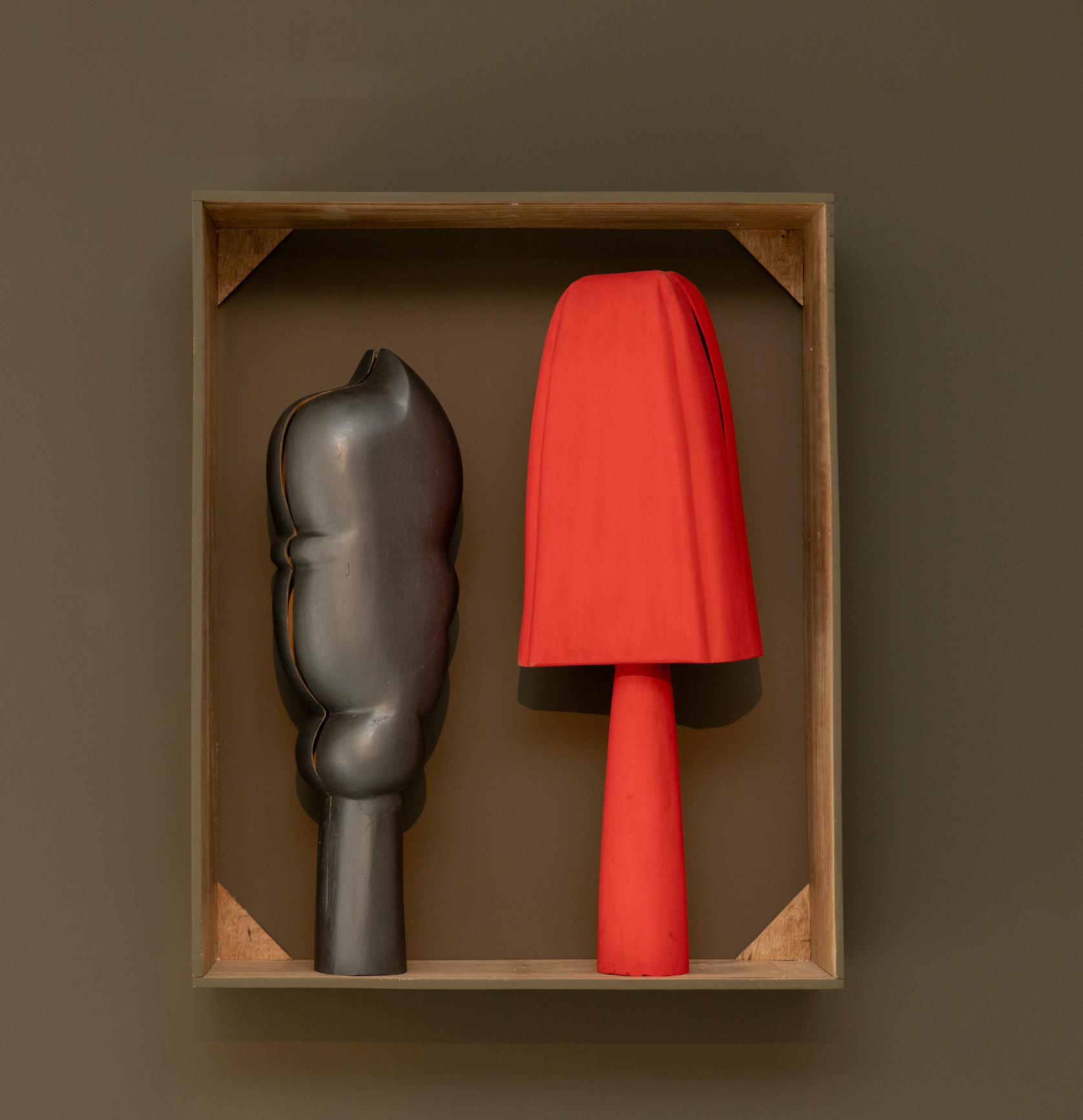
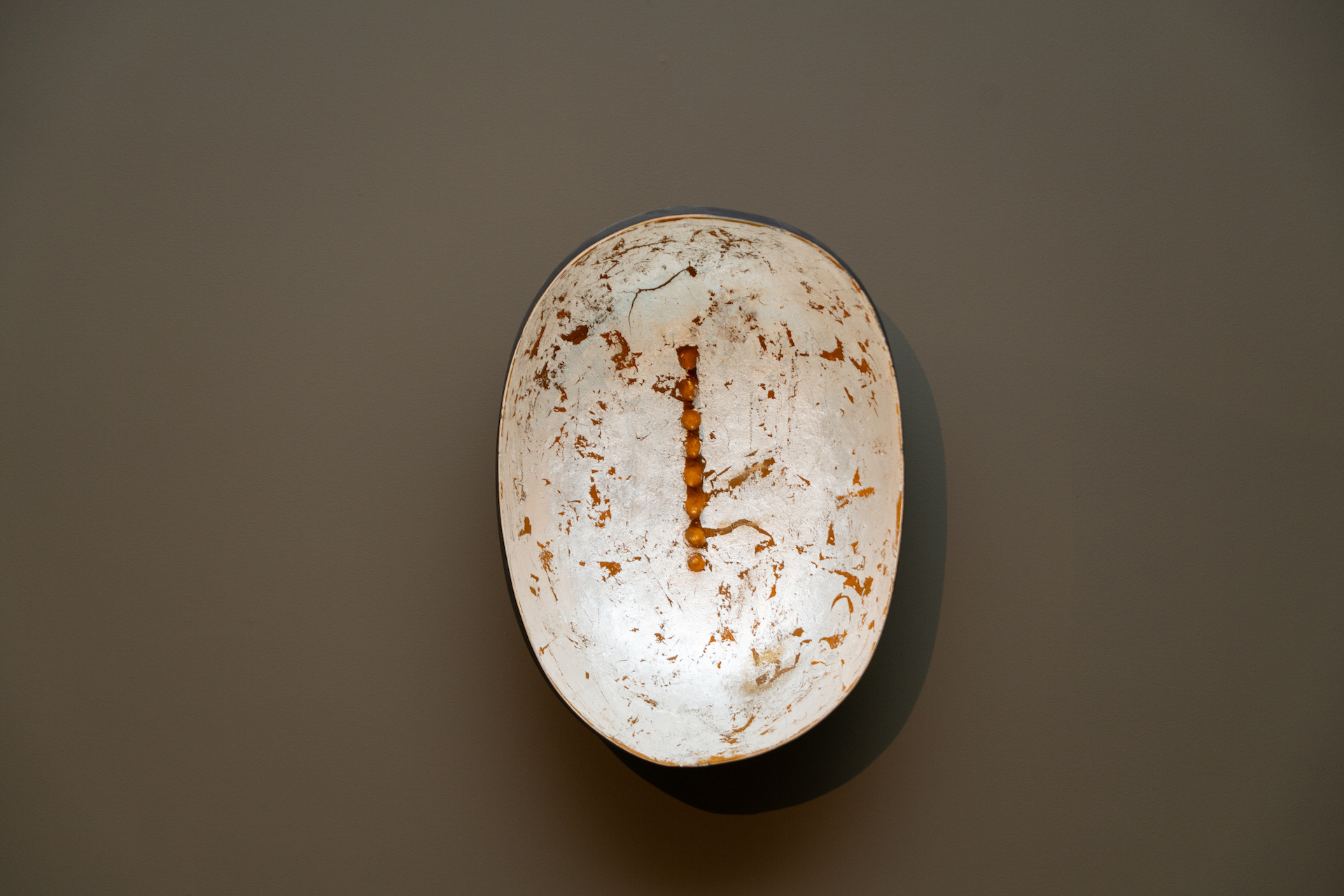
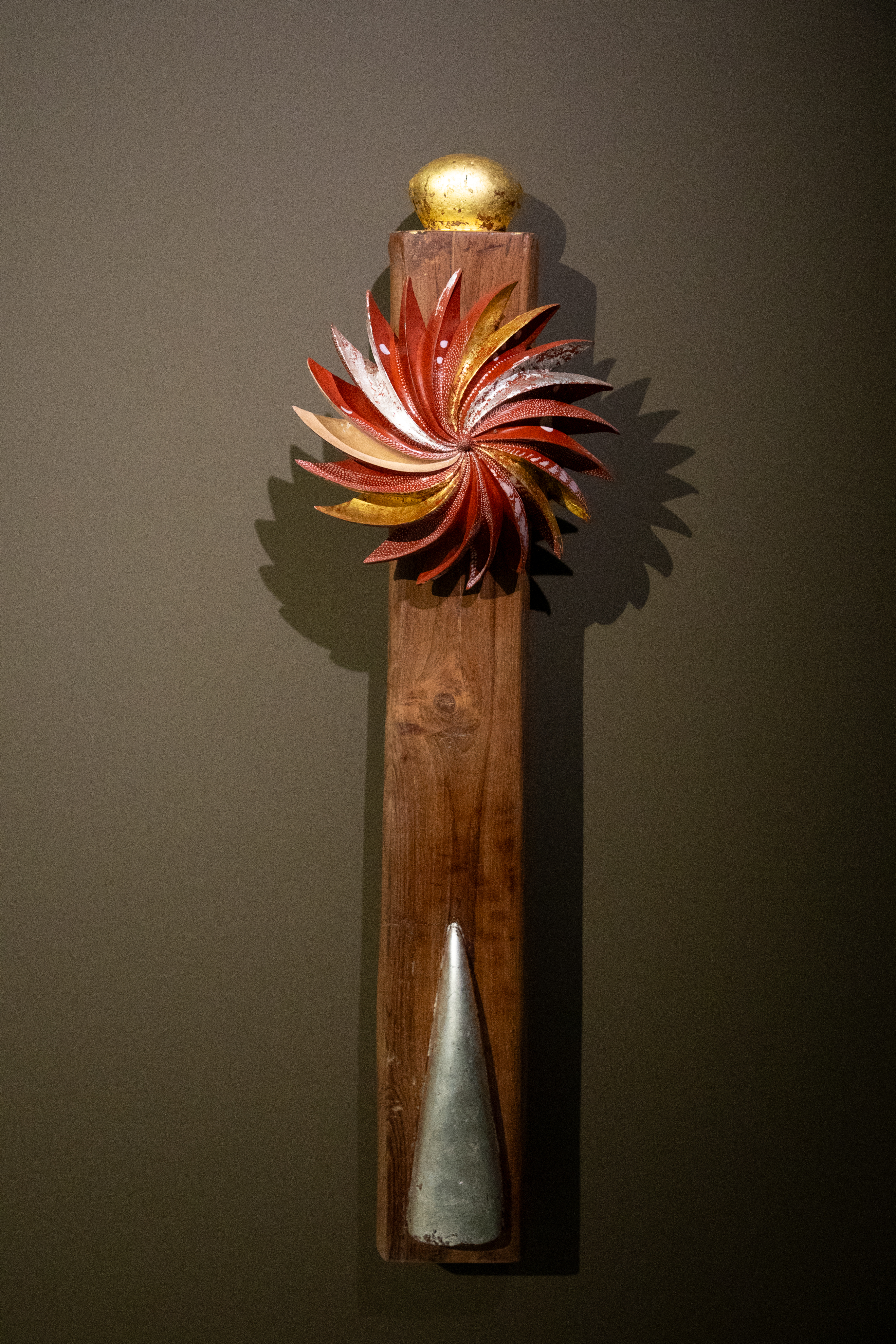
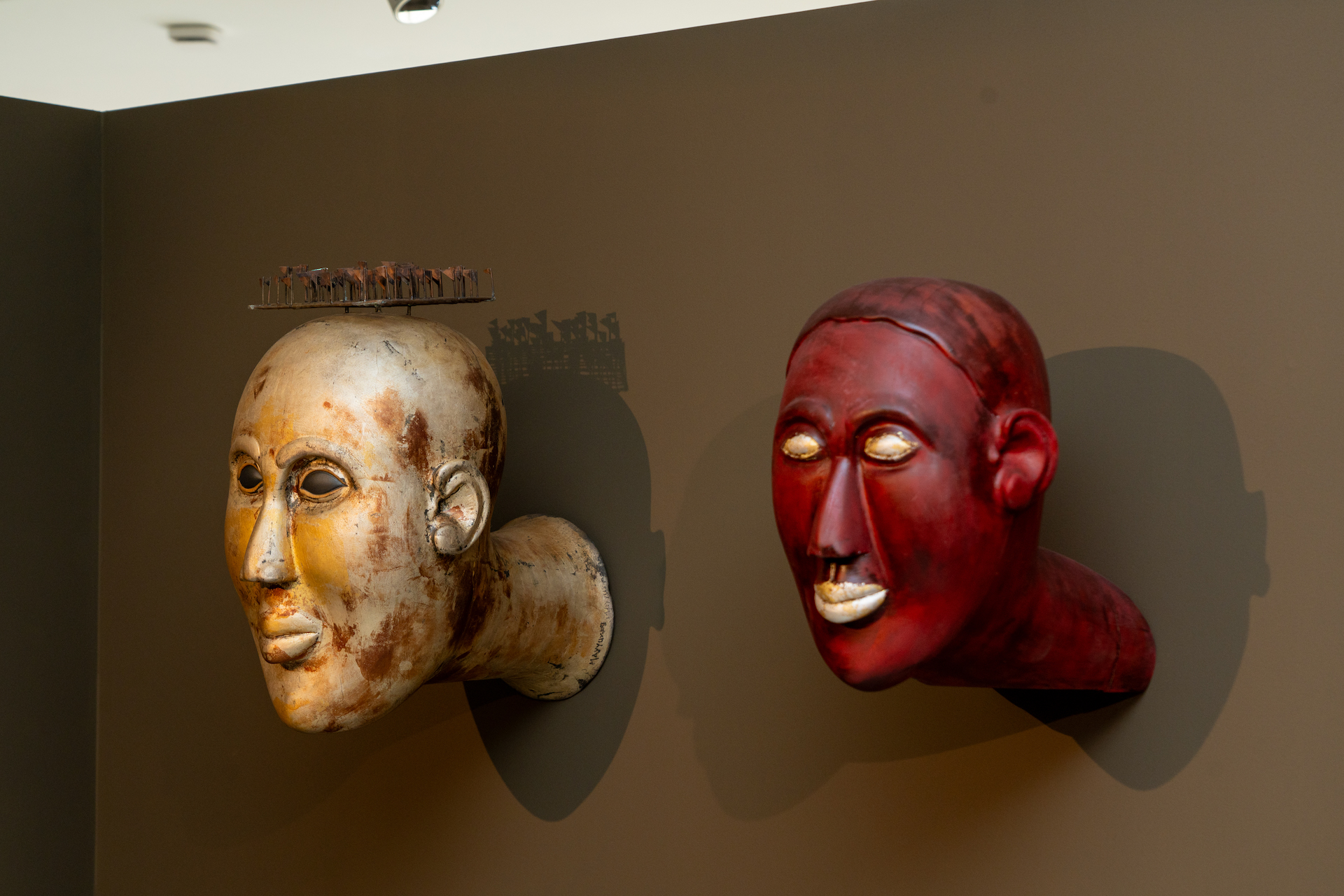
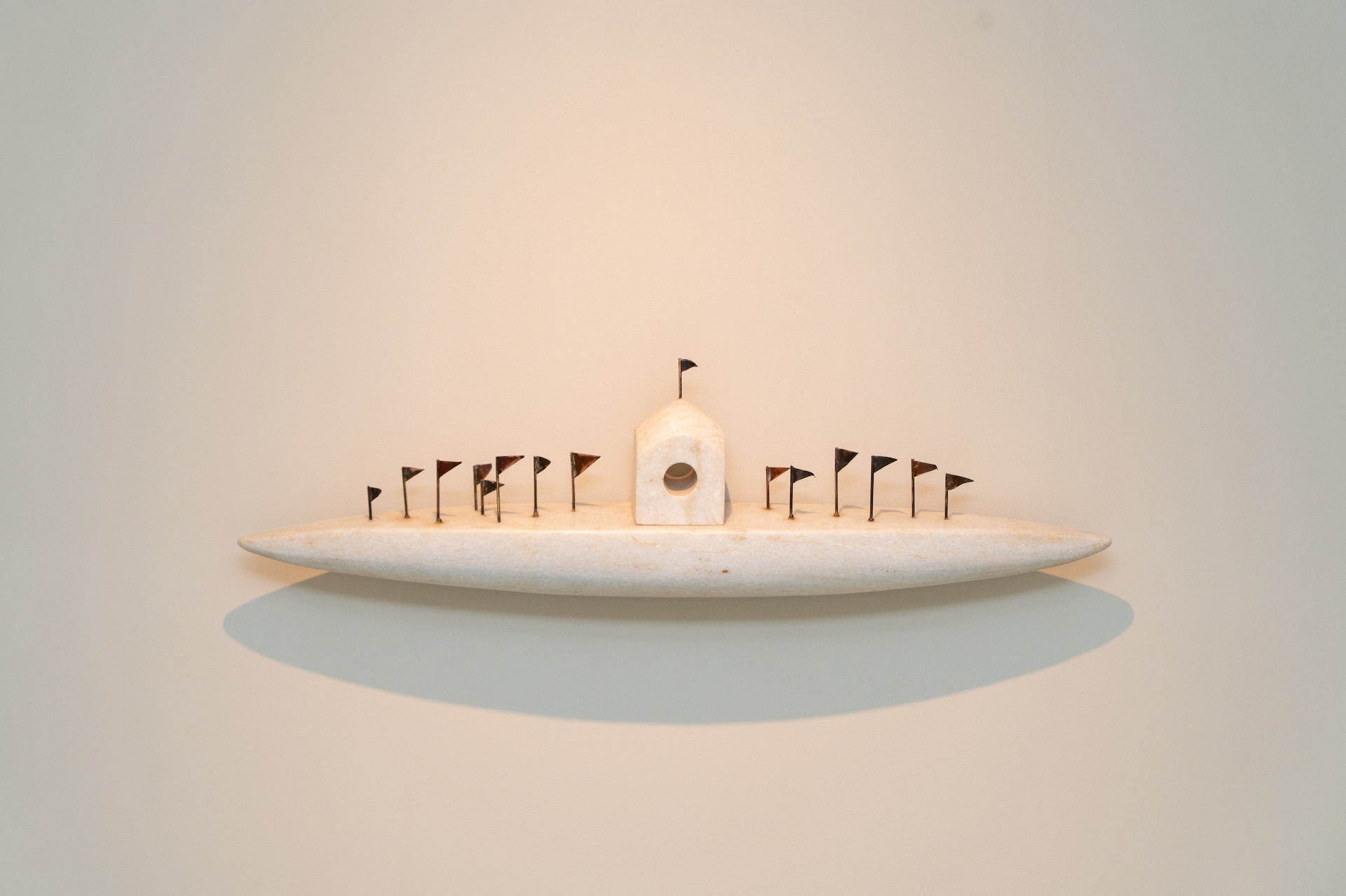
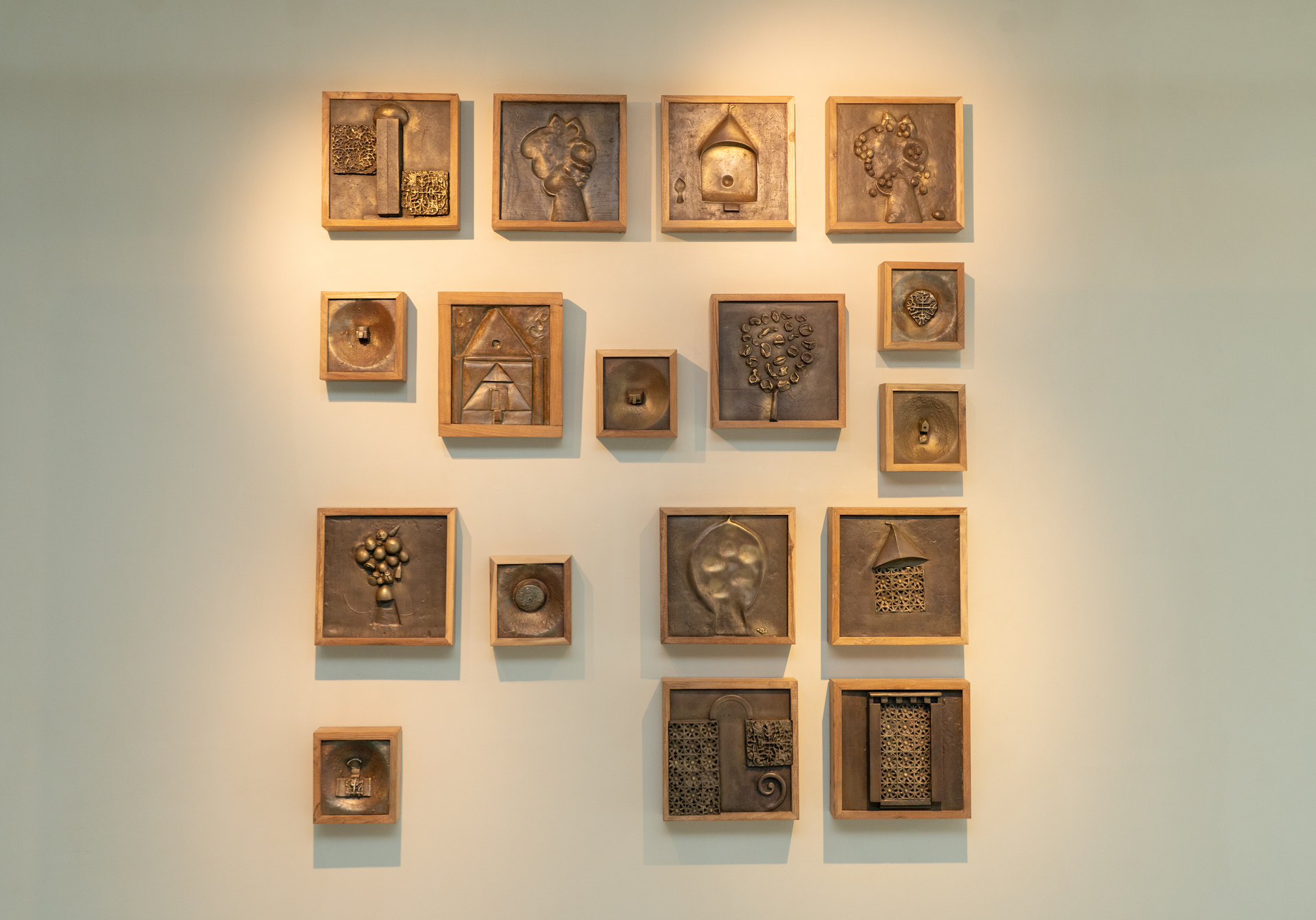
His training in Baroda deepened this sensibility through an exacting engagement with material. Bronze gathers heat and density into compact mass. Marble cools and steadies. Wood shifts with grain, introducing subtle asymmetry. Composite matter yields unevenly, registering pressure in different ways. Each medium alters the terms of making, yet certain tendencies endure: heads withdrawing into condensed volumes, vertical forms held along an inner axis, relief works pressing depth into plane.
Placed in relation, these works reveal form as something tested and clarified through matter. Weight shifts. Surfaces answer differently. Yet across these changes, a sculptural language persists, poised in balance, density, and held tension.
CURATORIAL NOTE
What Form Retains
What does form retain?
The question unfolds as an inquiry into persistence. In Mayur Kailash Gupta’s practice, form emerges through return. Certain configurations recur across years of making, carried forward through the body’s memory of gesture. The sculptural act accumulates through repetition until movement settles into instinct. Familiar volumes reappear because the hand remembers their balance. Repetition acquires the cadence of rhythm.
Gupta describes this process with disarming clarity. “While sculpting, I am not aware of what I am doing. Images come floating in my mind.” The work begins in proximity to material. Recognition arrives later. Form surfaces through encounter.
This orientation toward making carries the trace of an early intimacy with craft. As a child, Gupta observed his mother producing objects of use and adornment through patient acts of assembly and adjustment. These gestures belonged to the quiet continuum of everyday labour. Their imprint remained dormant before resurfacing in his sculptural practice. What first appeared as intuition gradually disclosed a deeper continuity. Sculpture extended an inherited rhythm of handling matter, recalibrating weight, and returning to form. The hand learned through repetition before reflection intervened.
His formation in Baroda intensified this sensibility through an exacting engagement with material. Within the sculptural ethos shaped by the Faculty of Fine Arts at the Maharaja Sayajirao University, matter is approached as resistance and proposition. Bronze consolidates density and heat into compact mass. Stone yields slowly through pressure and duration. Wood introduces the directional insistence of grain. Sculpture unfolds through negotiation with gravity, density, and structural equilibrium. Surface retains the trace of labour. Mass gathers inward to stabilise form.
Gupta’s works carry this structural gravity. Volumes appear compact and self contained, often organised along a latent axis that gathers weight toward a centre of balance. As Indrapramit Roy has observed, “His anchors are classical but he is not a classicist.” The classical here signals a structural discipline rather than stylistic affiliation. It names a condition of coherence in which mass consolidates itself and holds.
Material continually alters the parameters of this negotiation. Bronze condenses weight into unified density. Marble cools and stabilises mass through crystalline order. Wood shifts along grain and introduces subtle asymmetries. Composite matter absorbs pressure unevenly, producing slight deviations within form. Each medium recalibrates the hand. Across these transitions certain configurations persist. Heads withdraw inward into condensed volumes. Vertical structures align themselves along an axial equilibrium. Relief works compress spatial depth into plane. Recurrence becomes legible as persistence.
The Sanskrit notion of āvṛtti offers a conceptual register through which this persistence may be understood. In philosophical and yogic discourse, recurrence deepens experience through repetition. Each return gathers concentration, redistributes gravity, and refines proportion. Gupta’s sculptures inhabit a comparable cycle. Forms circulate across materials, testing themselves repeatedly under altered conditions. The act of making unfolds as a process of gradual consolidation.
“Tactility is the one quality that I try to realize in my sculptures,” Gupta remarks. This tactility emerges through prolonged engagement with surface. Hours of polishing and buffing reveal the grain of wood, the density of bronze, and the quiet weight of marble. Edges hold pressure. Surfaces register duration. Casting gathers matter into concentrated mass. Sculpture becomes a record of time sedimented through contact.
What Form Retains brings these material negotiations into proximity. Works in bronze, marble, wood, and composite mediums are placed in conversation so that recurrence becomes perceptible across difference. What travels between them is calibration. Weight redistributes. Tension steadies. Axis clarifies. Form persists as structure.
Within a visual culture increasingly oriented toward velocity and spectacle, such insistence on the slow intelligence of matter acquires a particular resonance. Gupta’s practice remains anchored in the temporality of the studio. Forms evolve through duration, repetition, and material negotiation. Sculpture condenses experience into weight and structure.
What form retains, ultimately, is contact. The repeated gesture settles into matter. Form carries the sediment of time, the persistence of return, and the quiet discipline through which making continues across material and memory.
INSTALLATION VIEWS