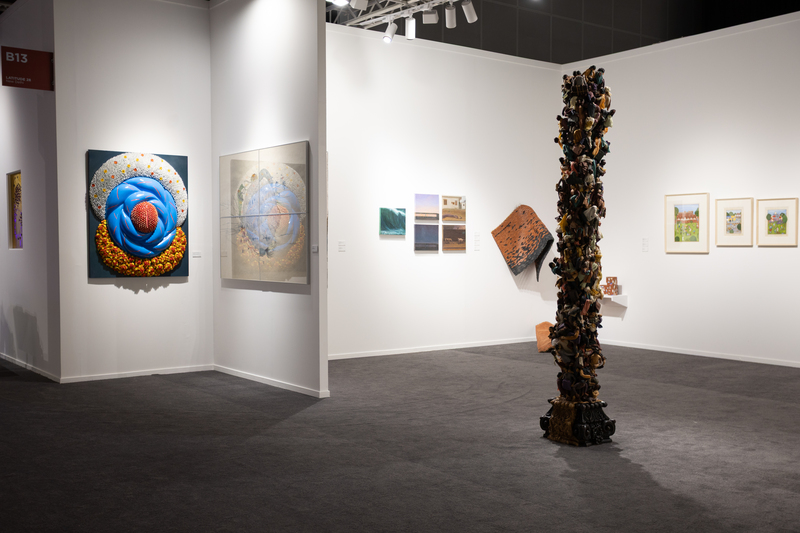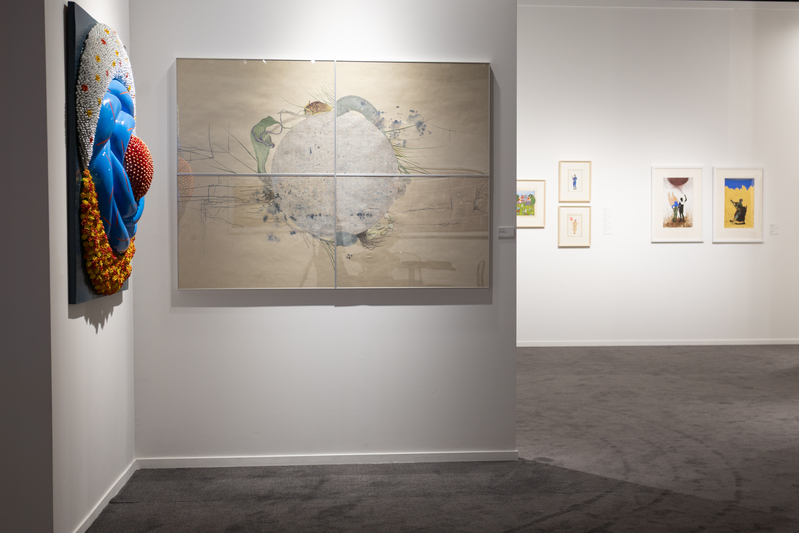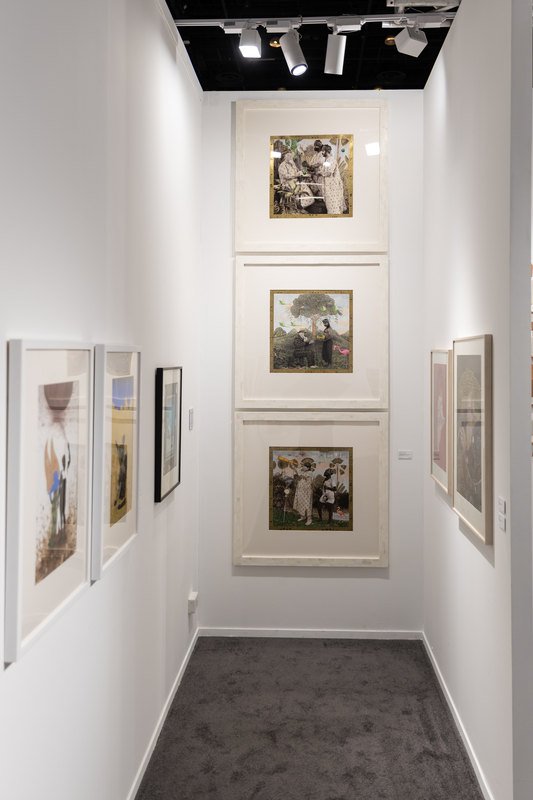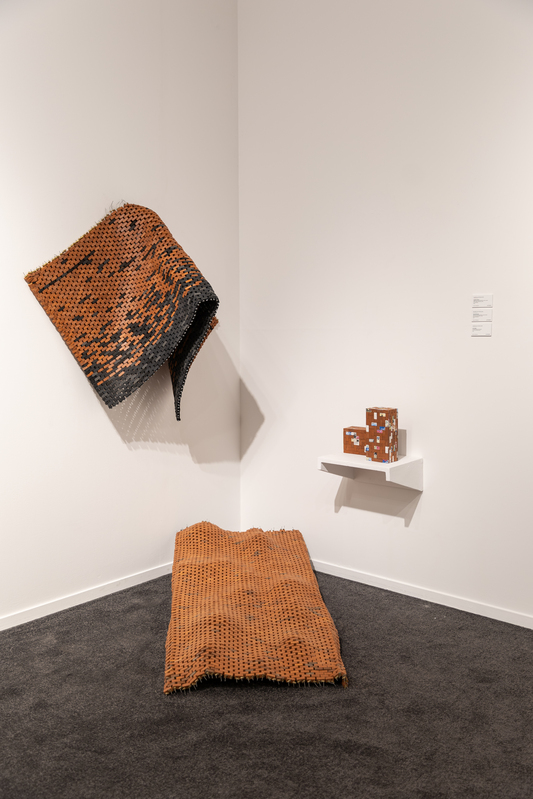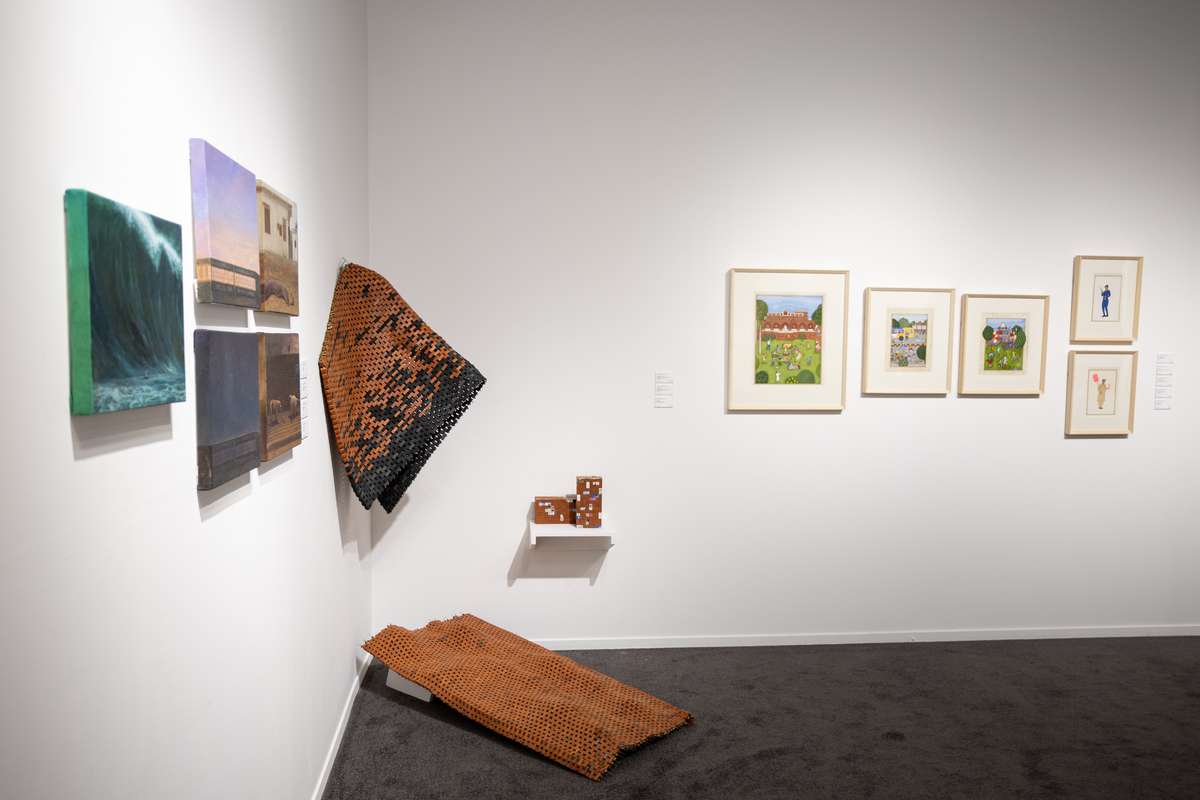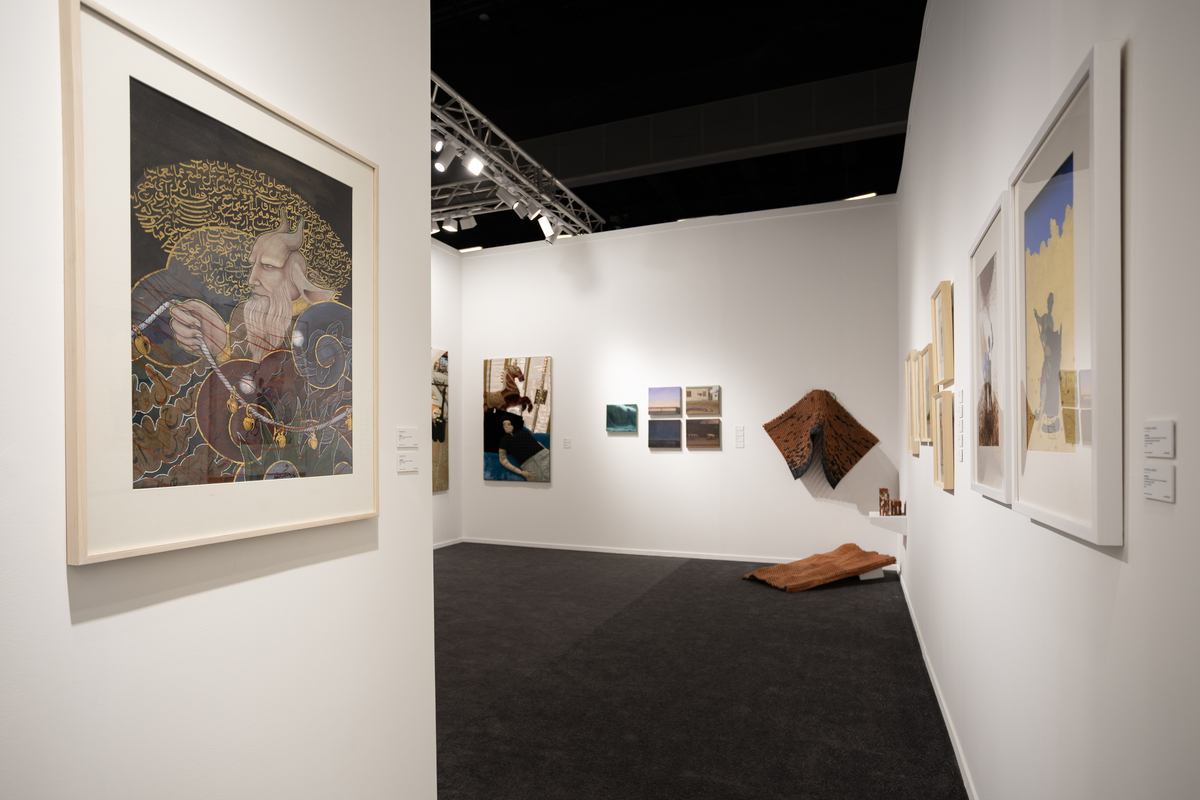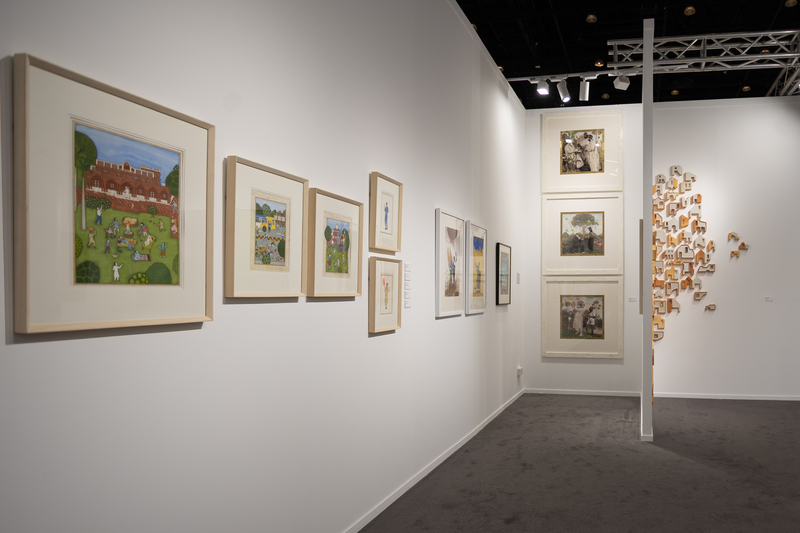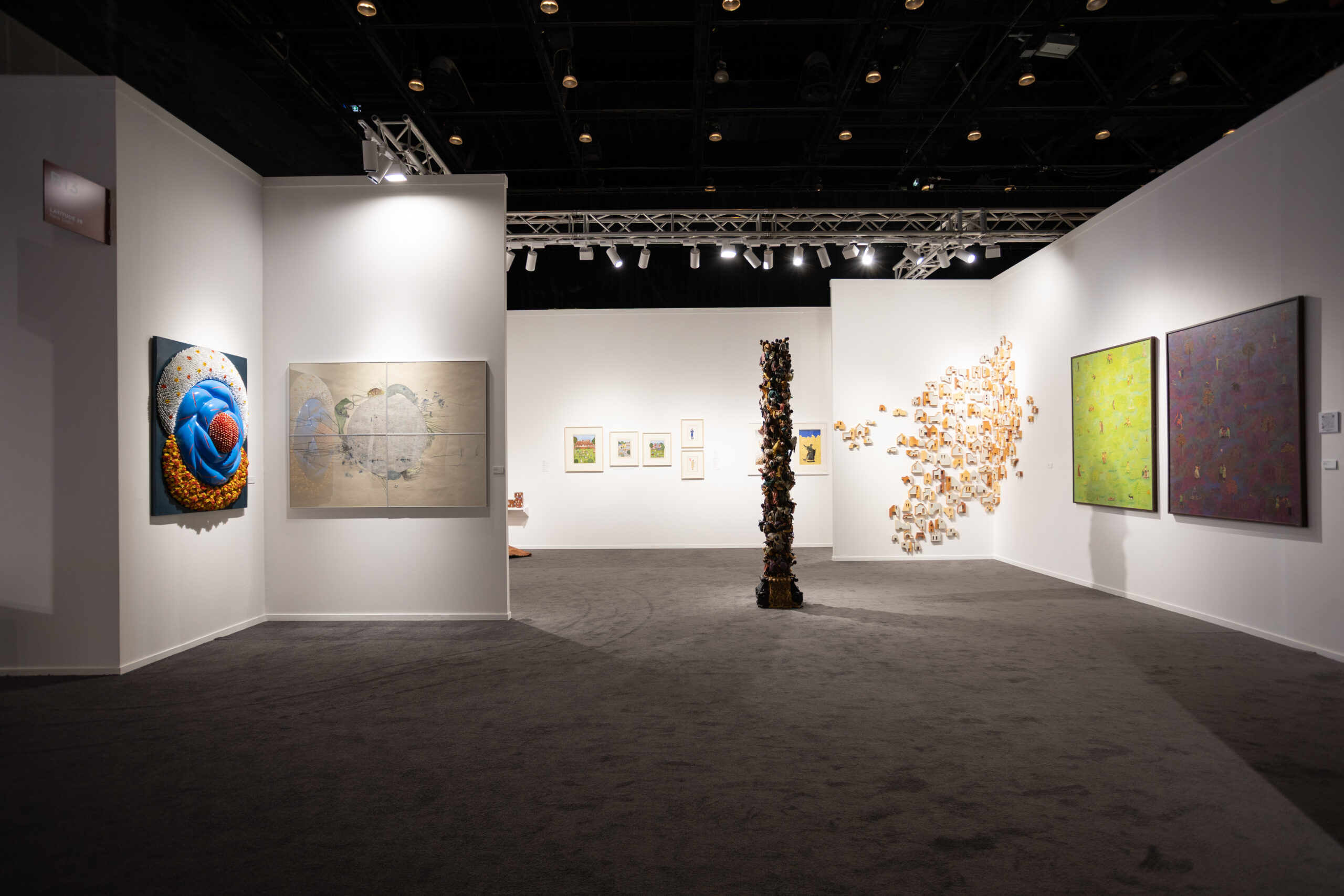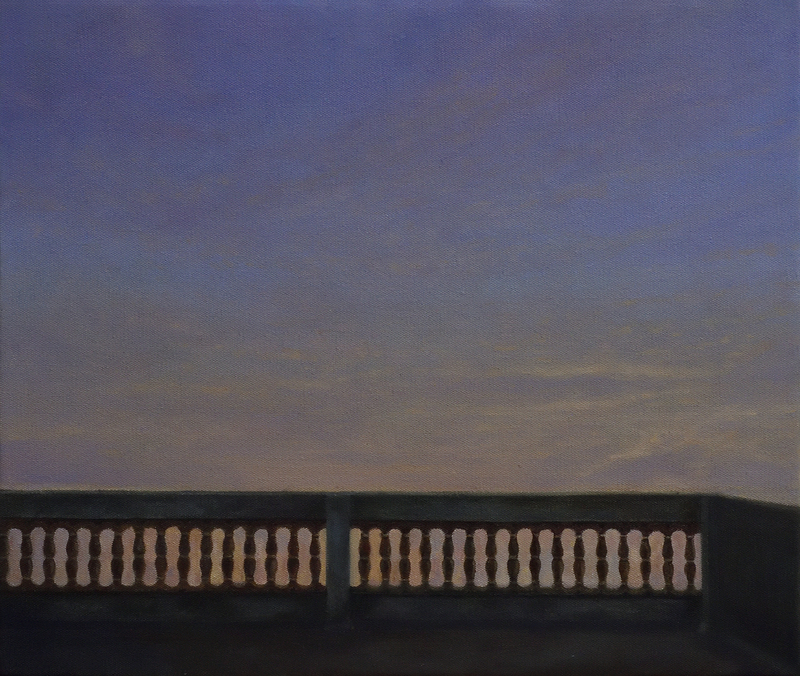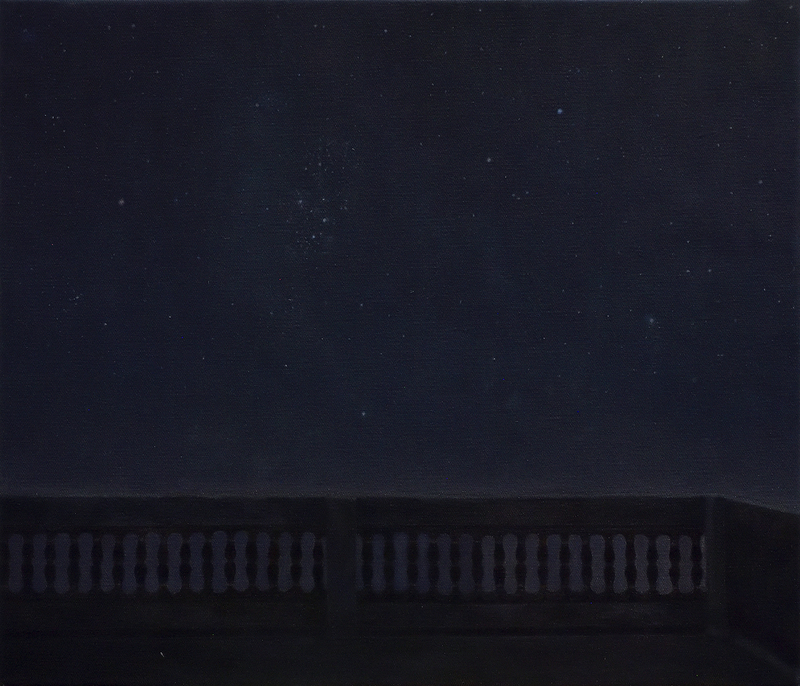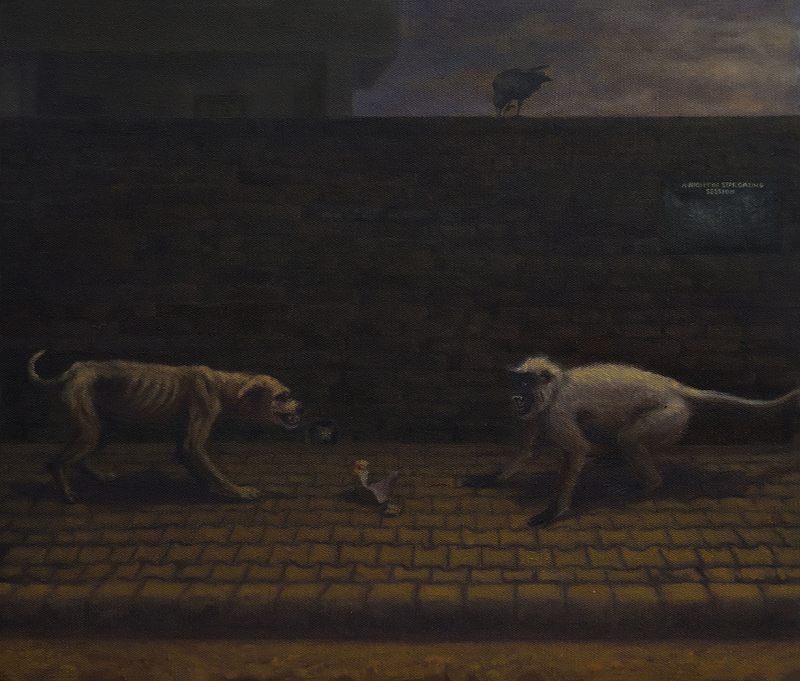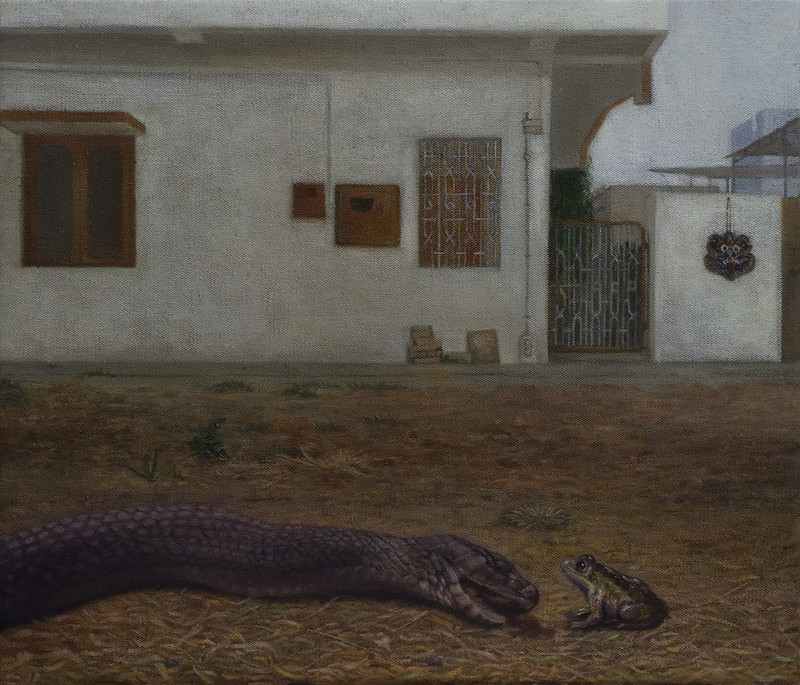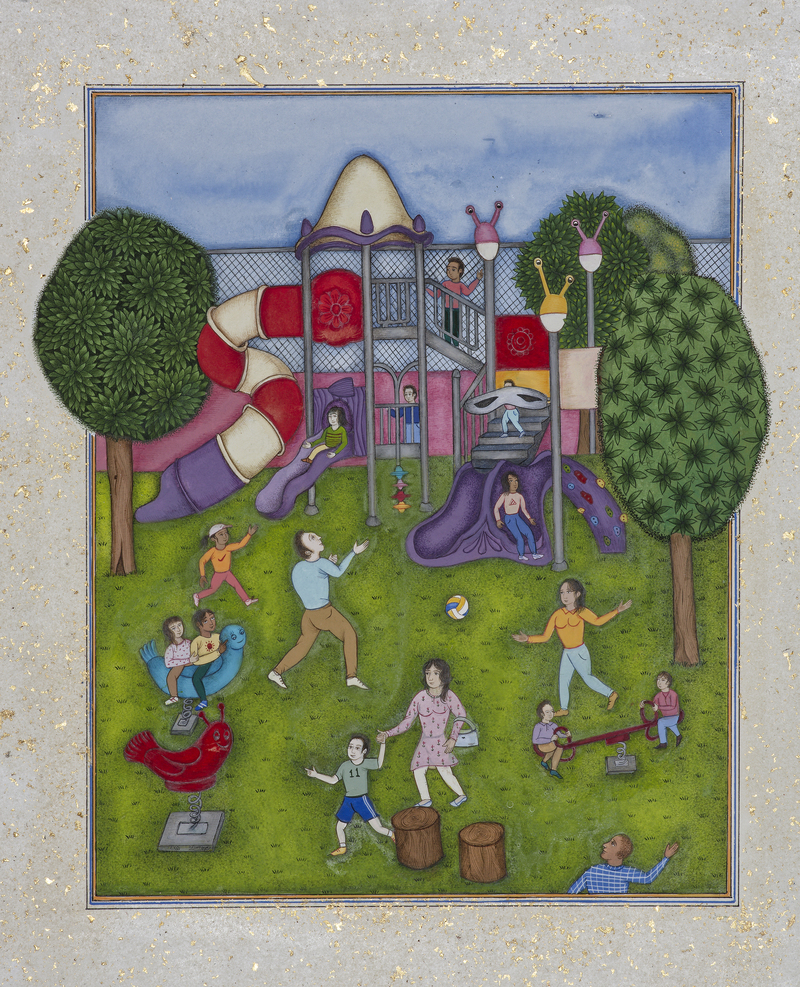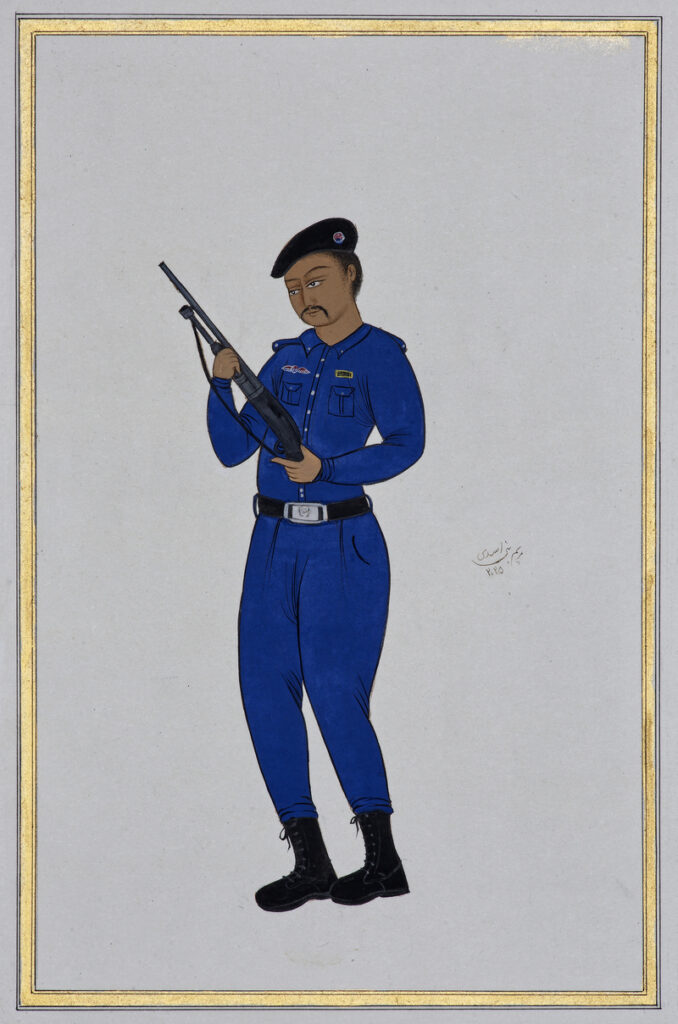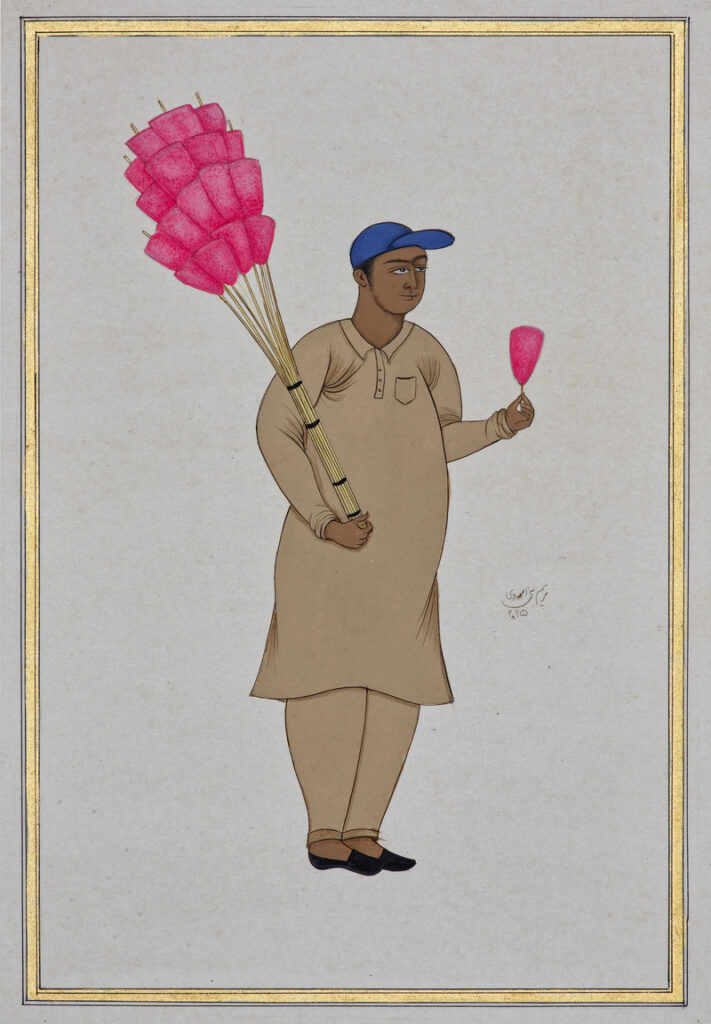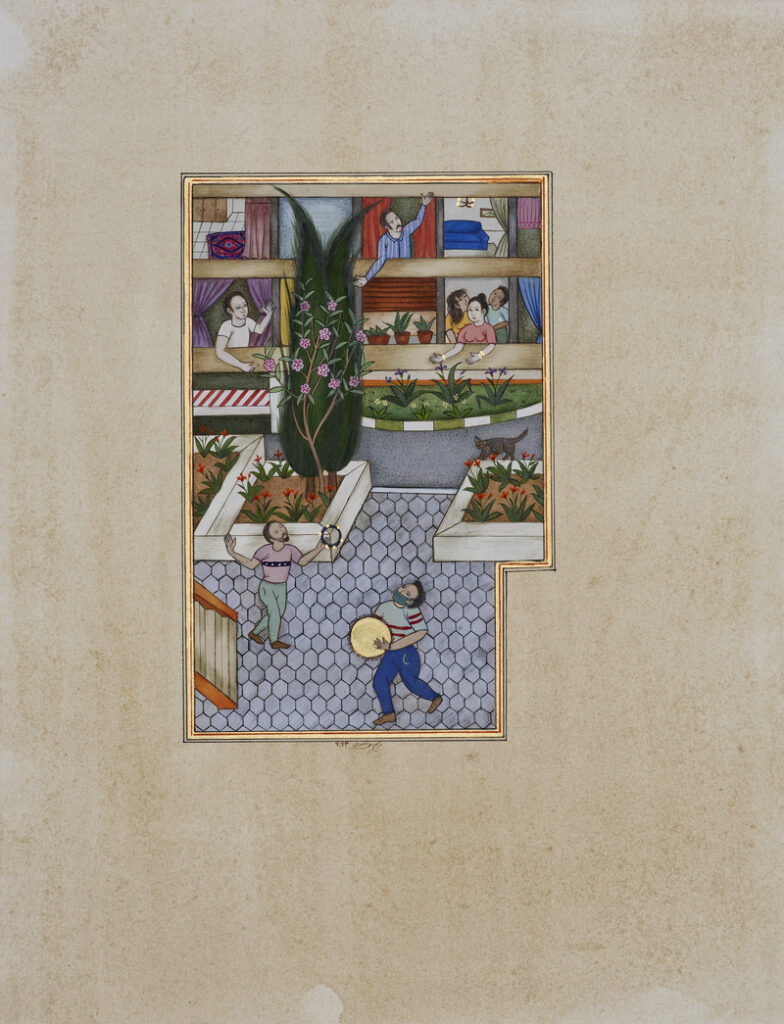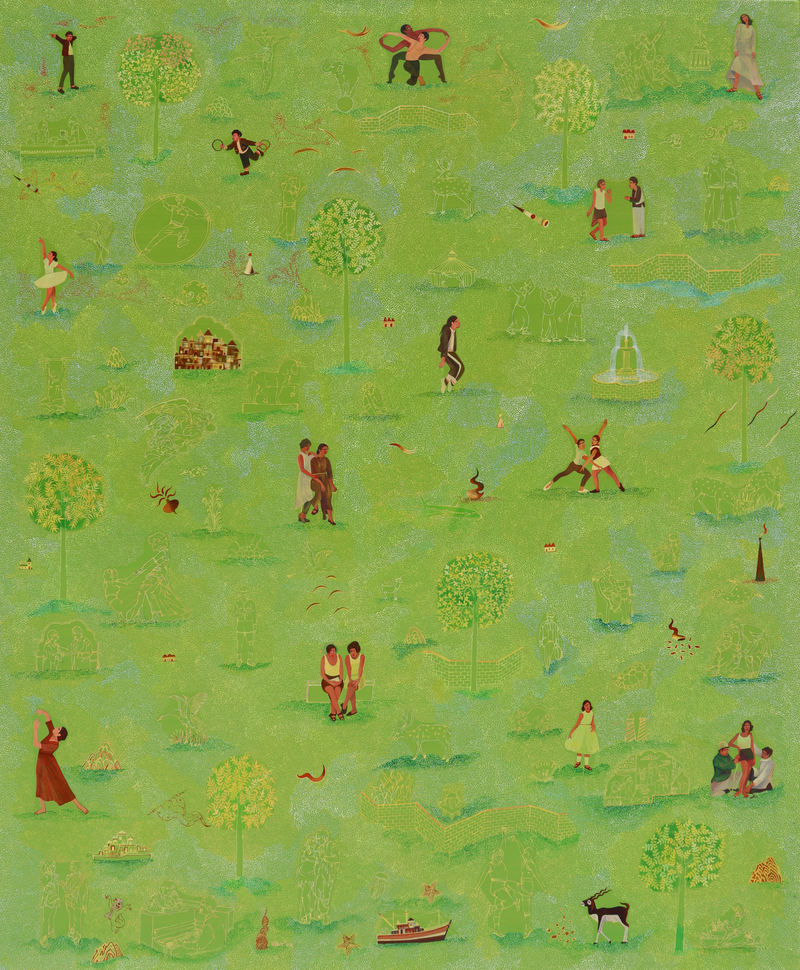
This exhibition grapples with flux. It moves in gestures of tension and release—between material and illusion, inheritance and reinvention, recognition and estrangement. The works assembled here refuse containment, slipping between thresholds of the seen and the unseen, the personal and the political, the traditional and the disruptive. They demand a different kind of seeing—not passive observation but an active exchange, where perception is constantly tested, shifted, and redefined.
To Look, and To Look Again brings together a group of contemporary artists whose practices question the visible and surface-bound, inviting viewers to look beneath and beyond. Beneath each
artwork lies another—an accumulation of marks, stories, and absences. Like sediment, meaning builds in layers: through memory, erosion, fracture, and return. This is not just a visual experience, but an archaeological one. What we see is shaped by what came before—what was buried, forgotten, or refused. The past hums beneath our feet, pressing upward, reshaping the present.
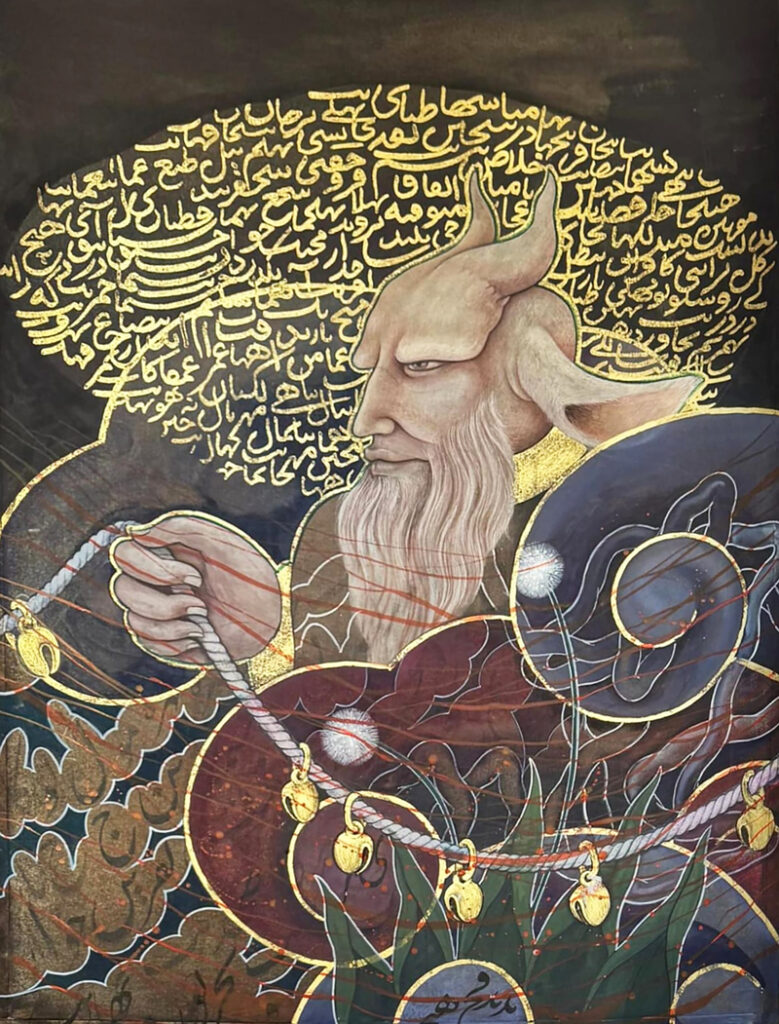
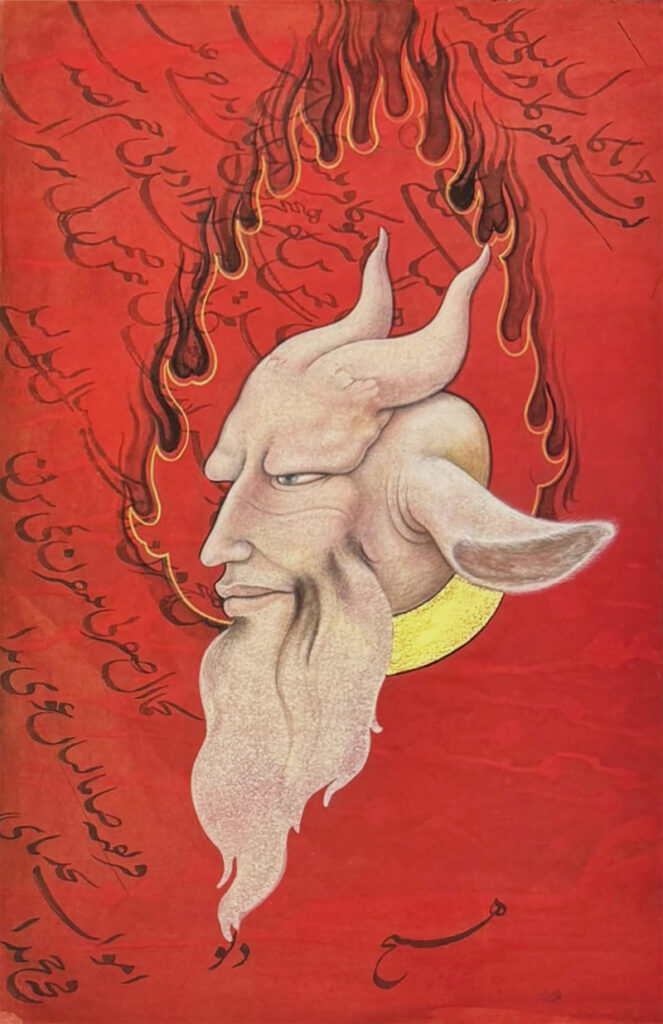
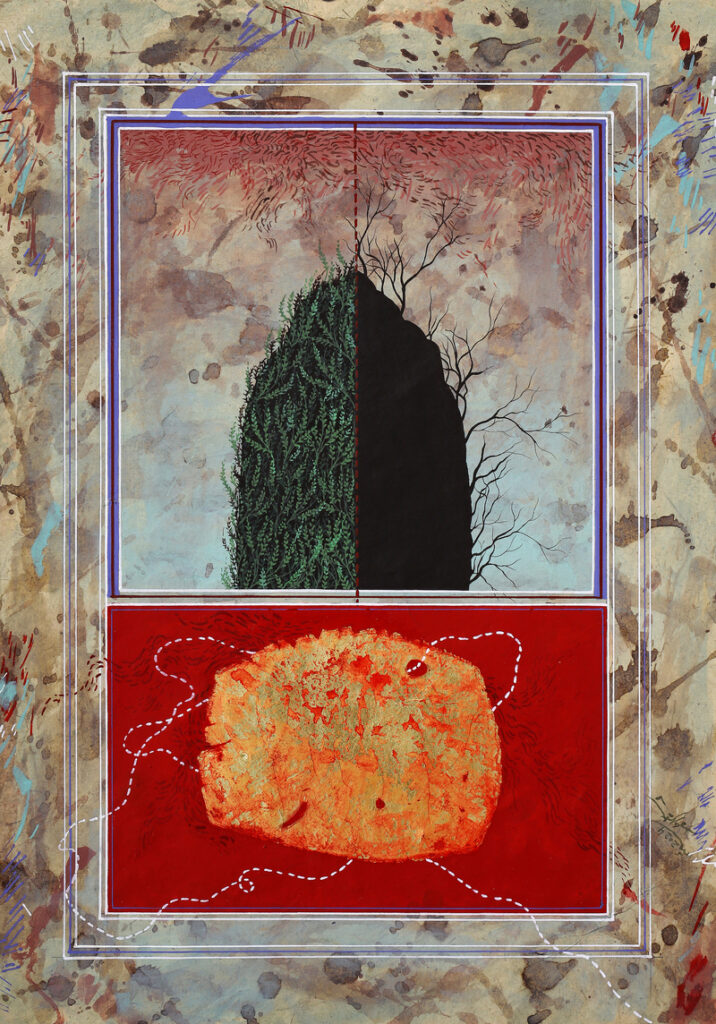
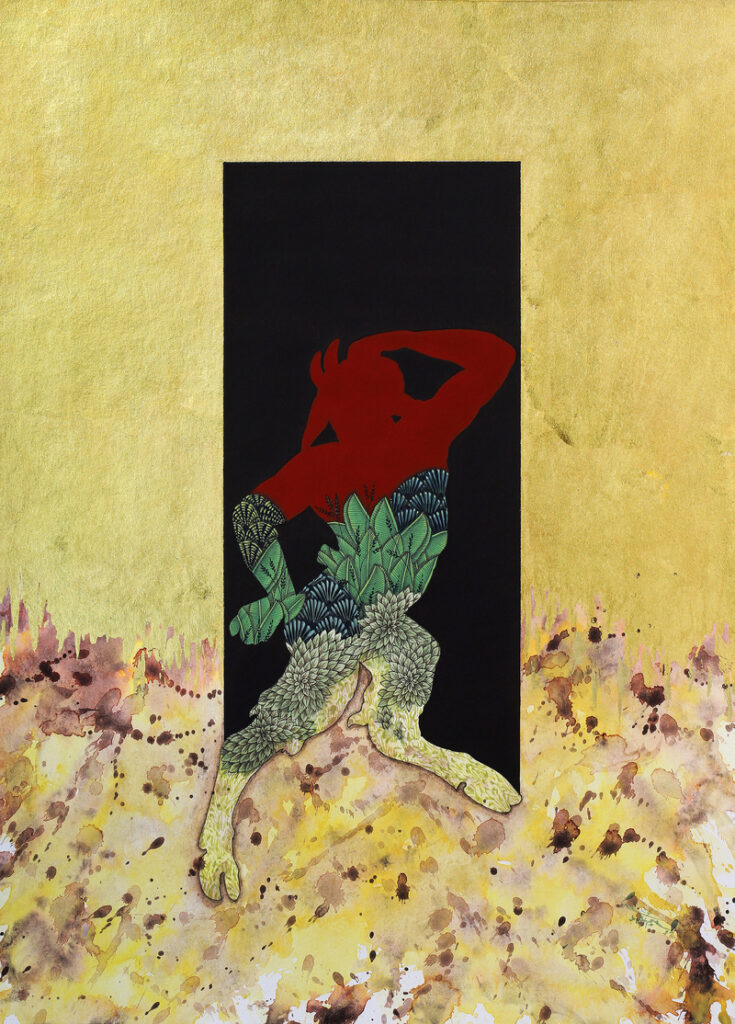
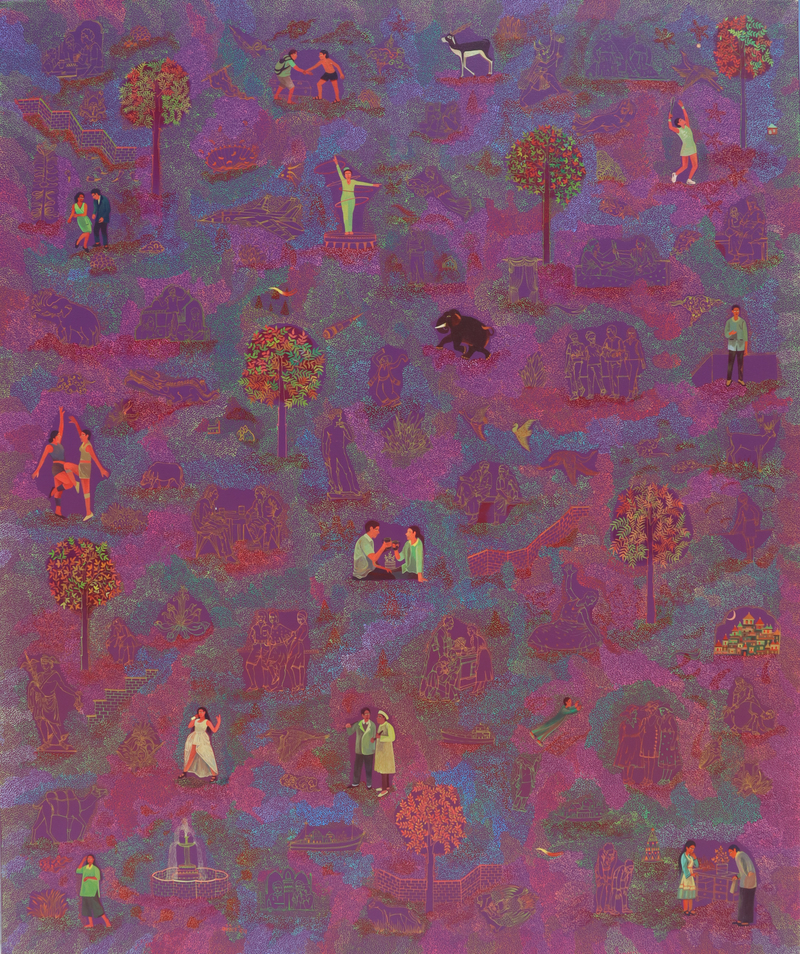
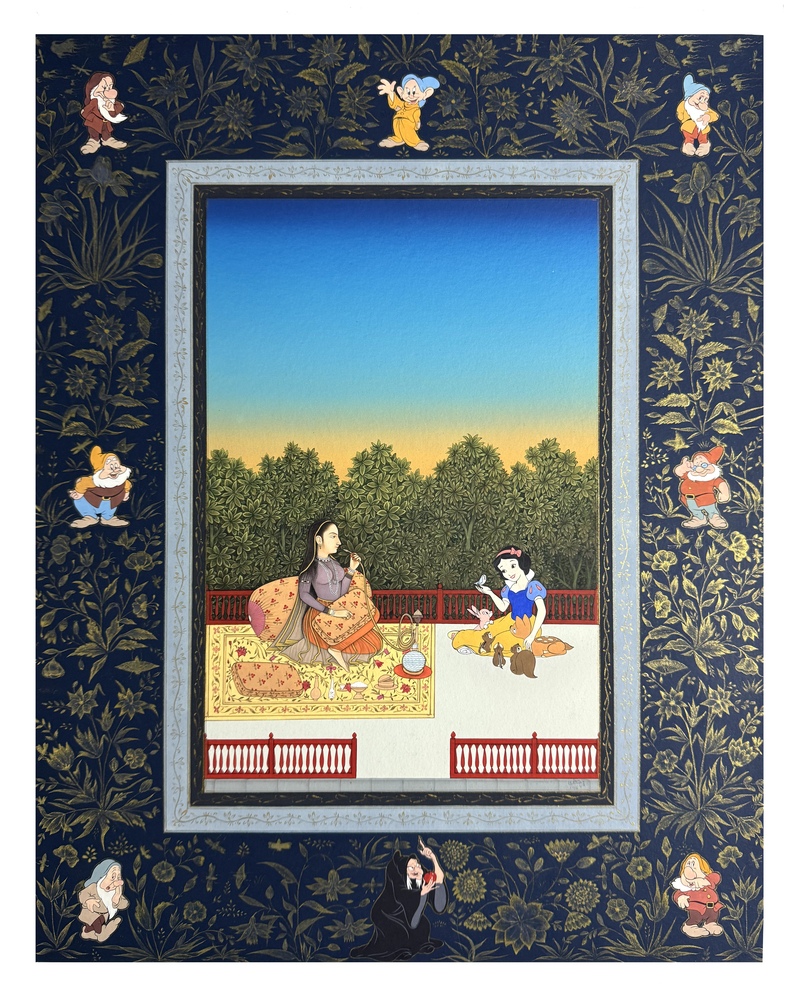
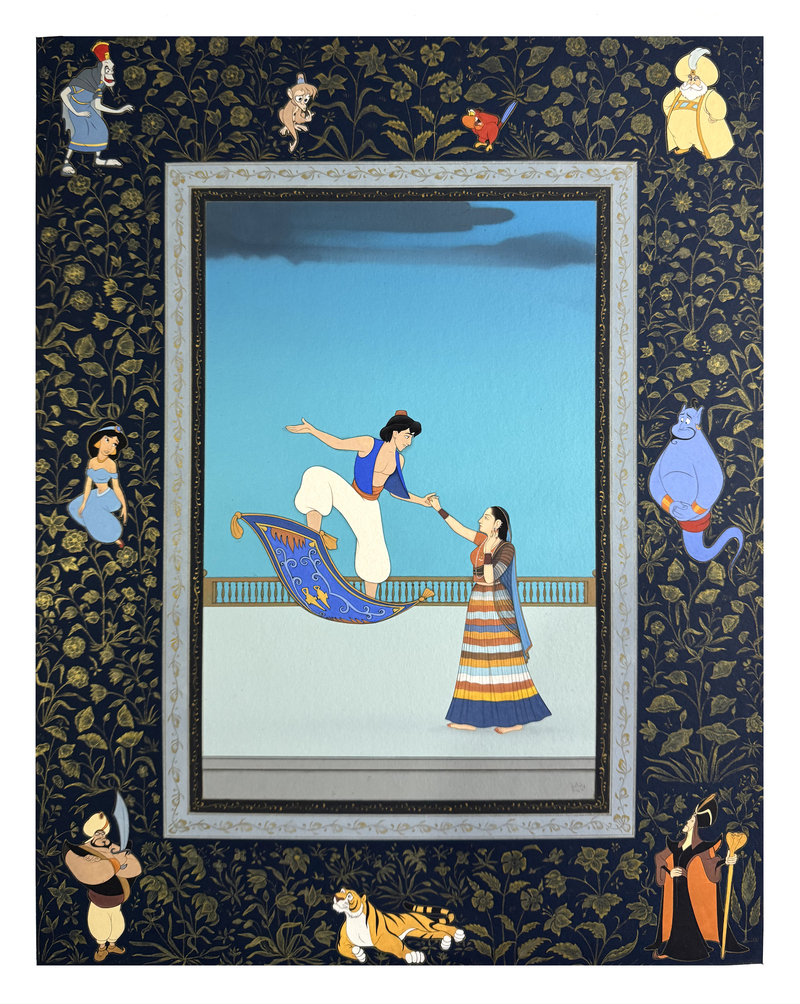
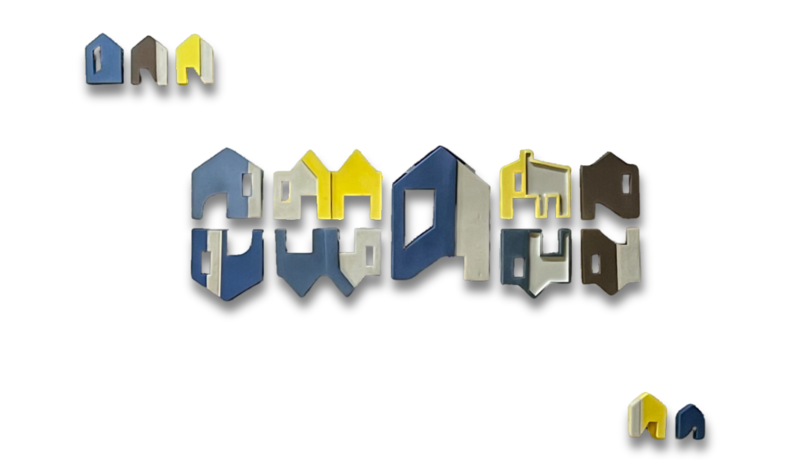
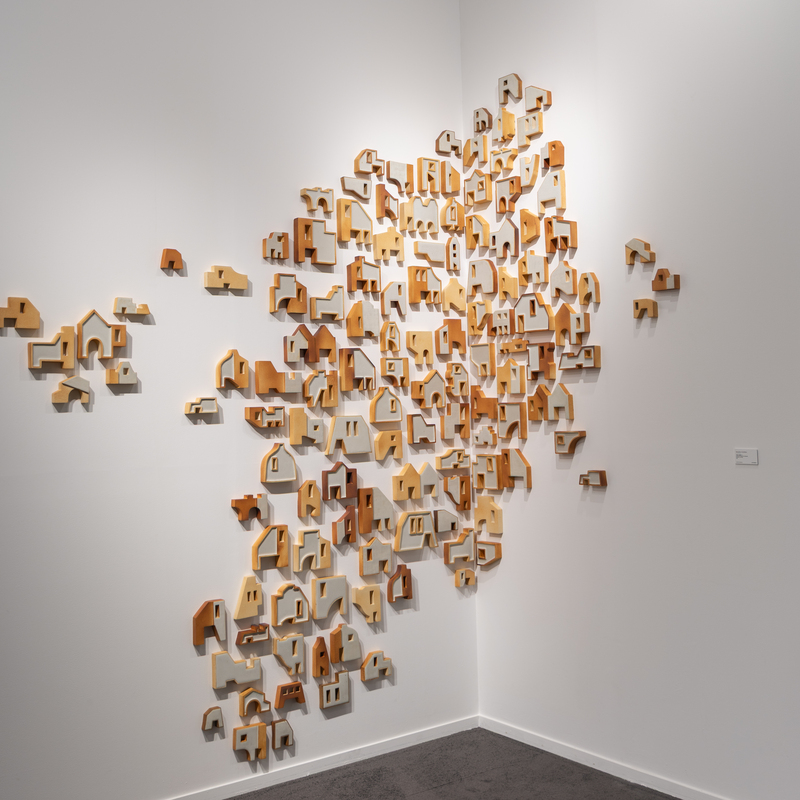
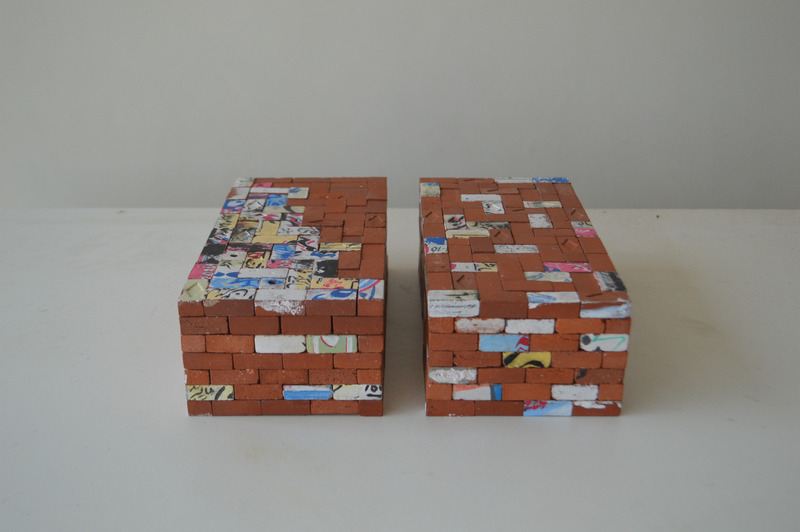
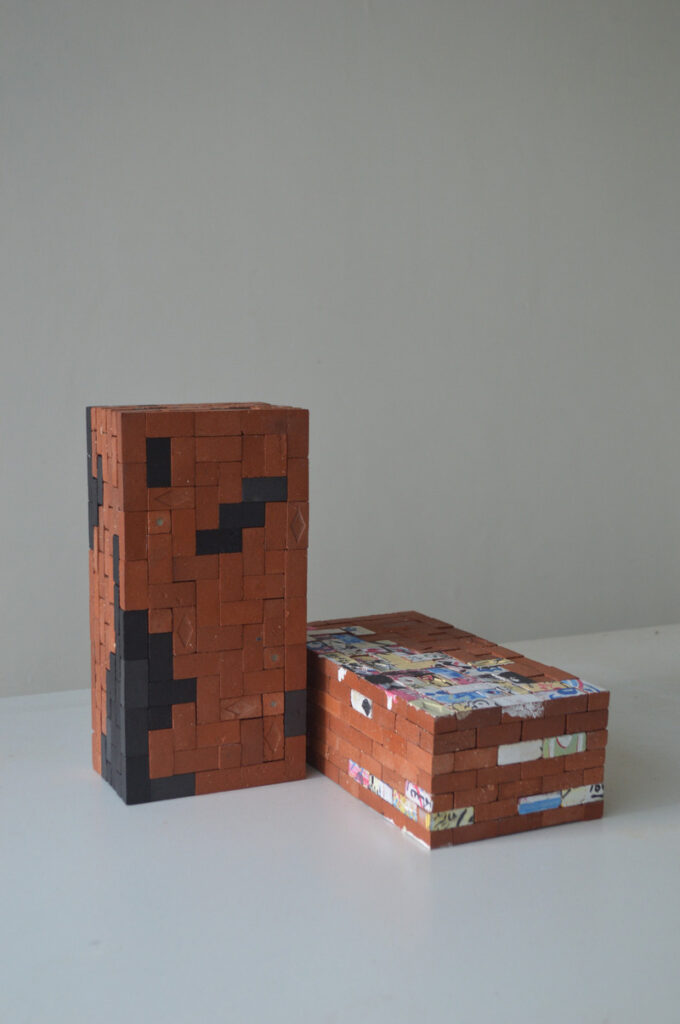
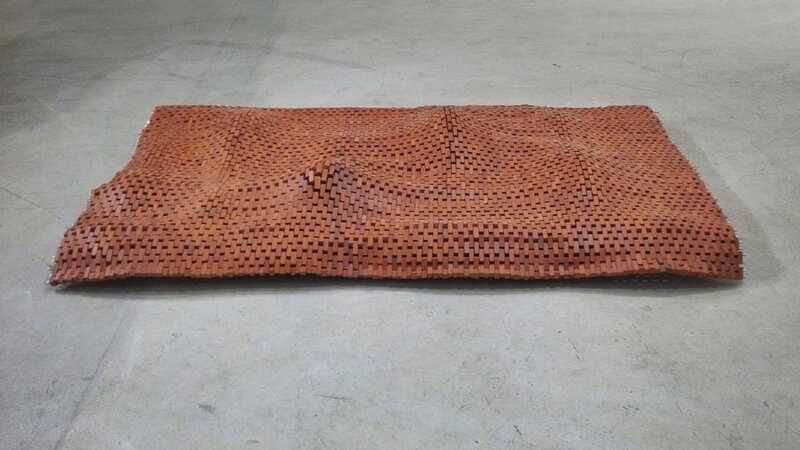
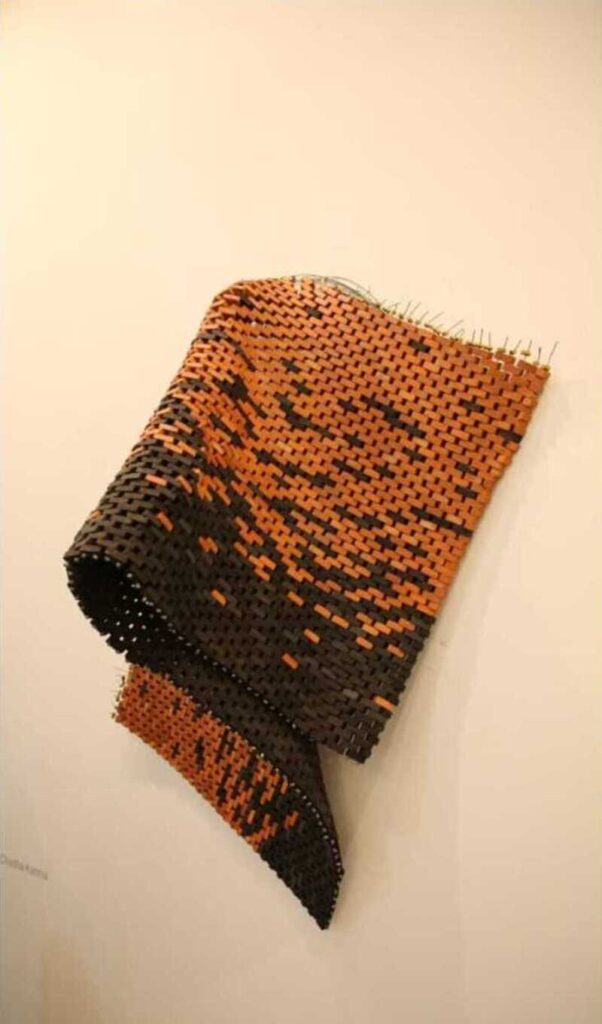
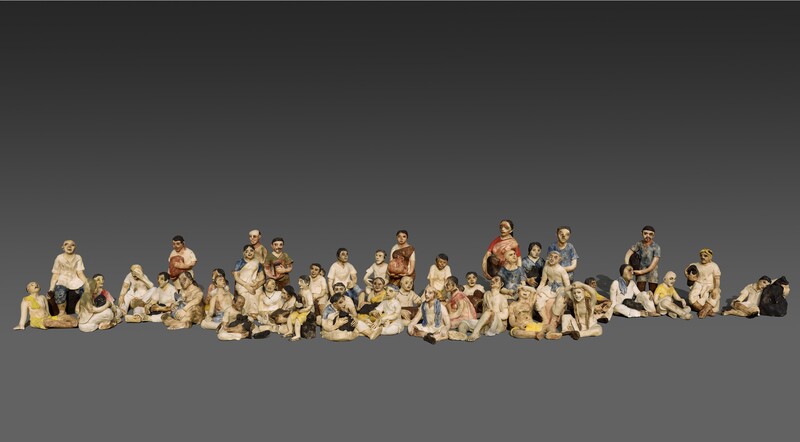
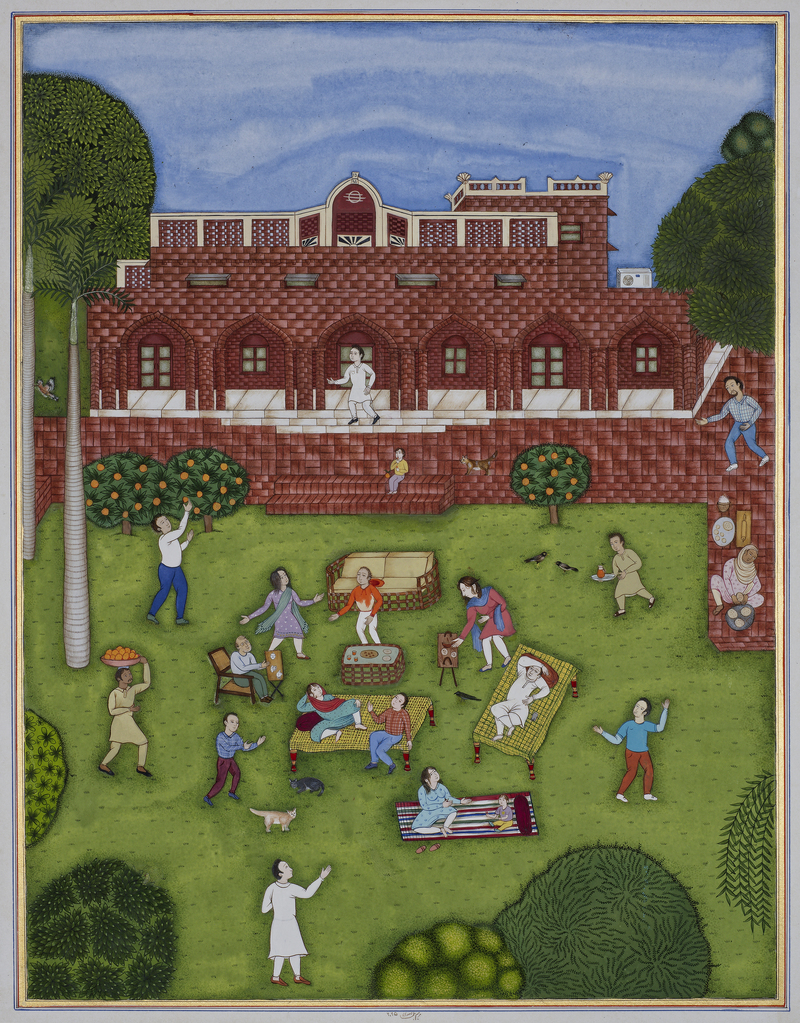
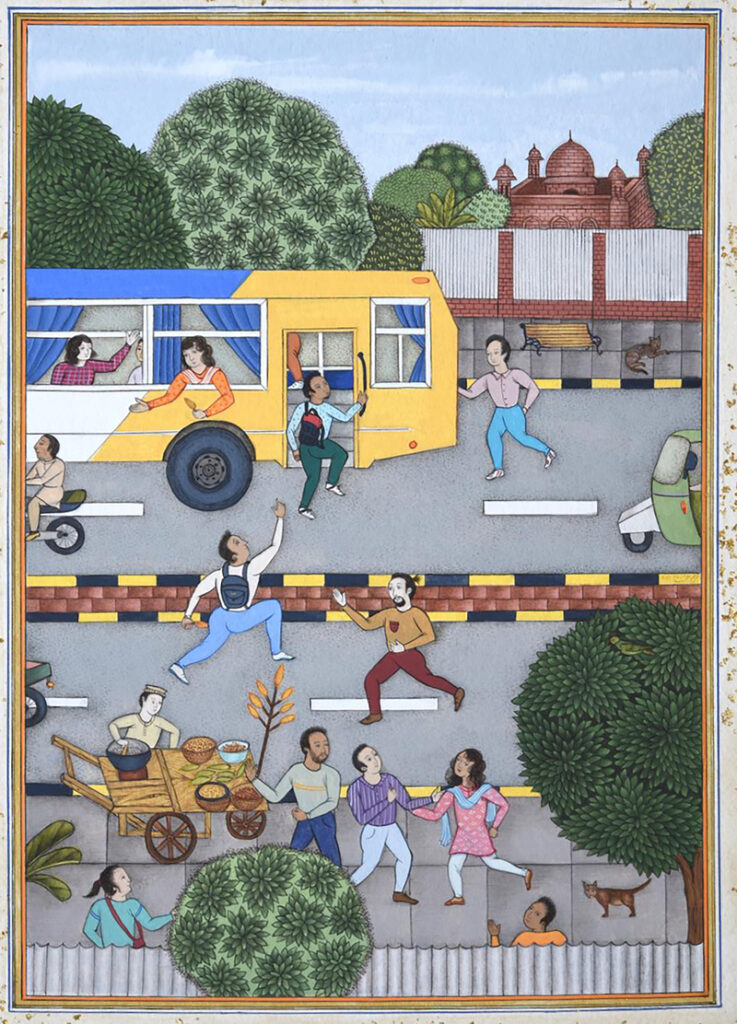
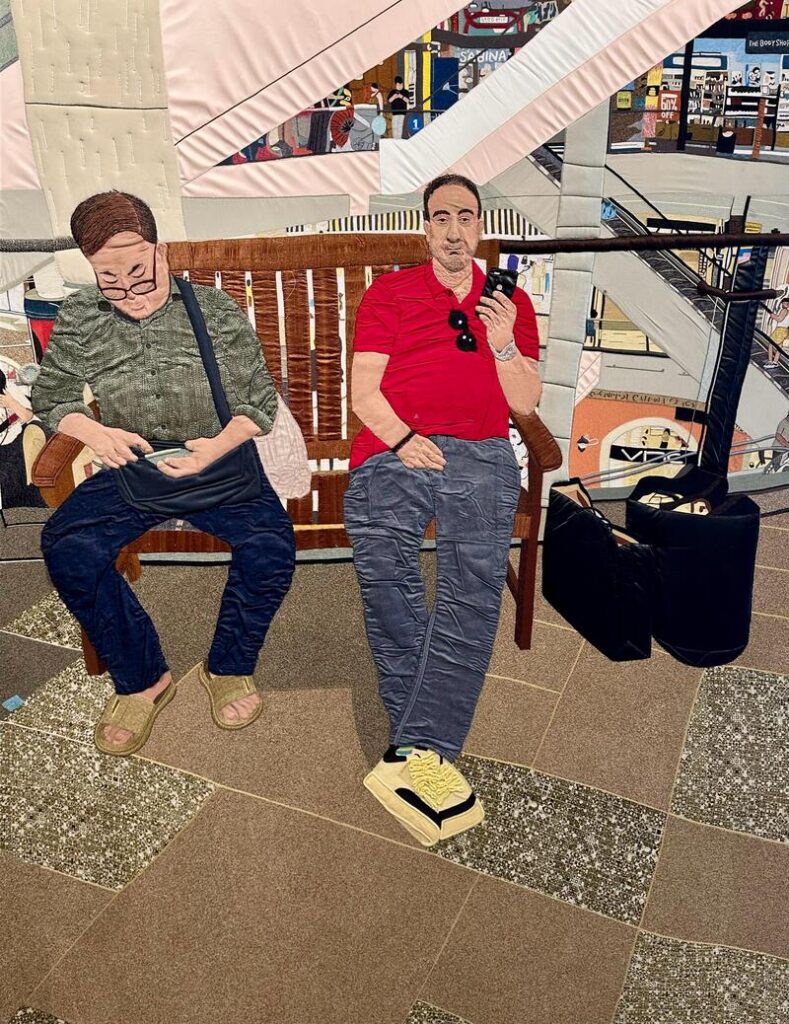
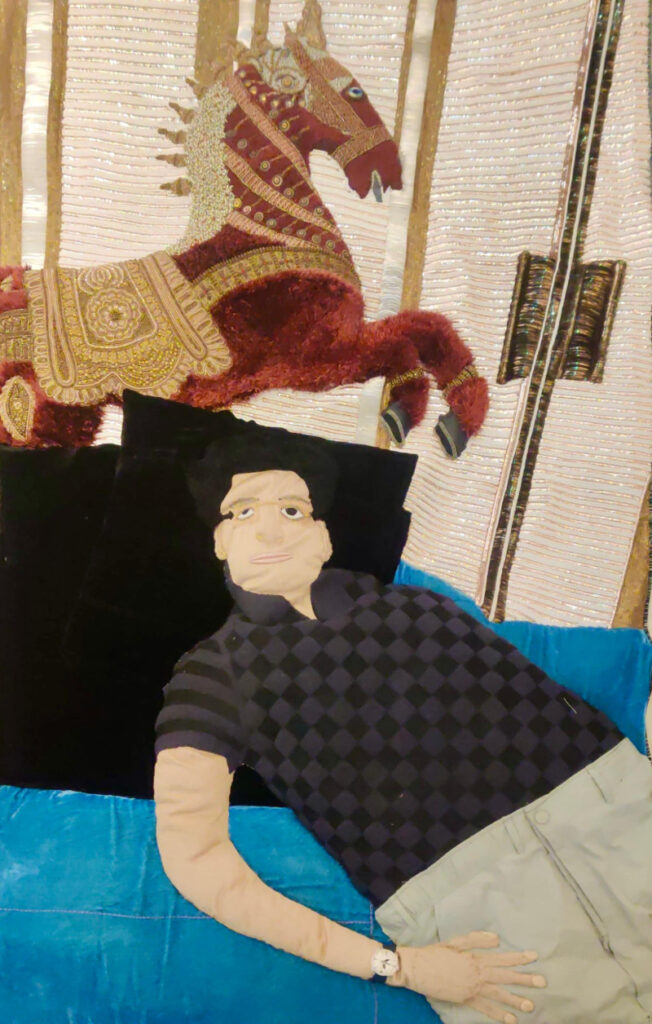
Some artists approach this space through a deconstruction of form. Farhat Ali splices visual languages together—miniature, pop, and mass culture—to expose the seams of constructed narratives. Noor Ali Chagani structures longing into brick and mortar, where walls become symbols of both shelter and separation. Sudipta Das constructs fragile paper sculptures that embody the tension between permanence and precarity, displacement and home. Sanket Viramgami merges Persian, Indian, and contemporary idioms into surreal, layered landscapes where time and tradition collapse. Viraj Khanna manipulates textile and embroidery to blur artifice and identity—each stitch an interrogation of power and privilege.
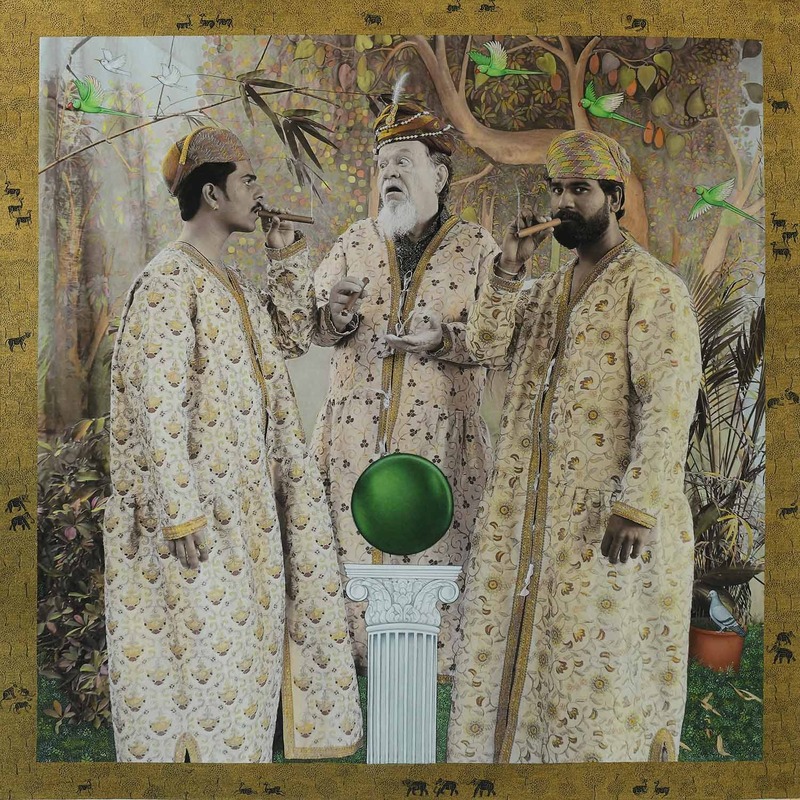
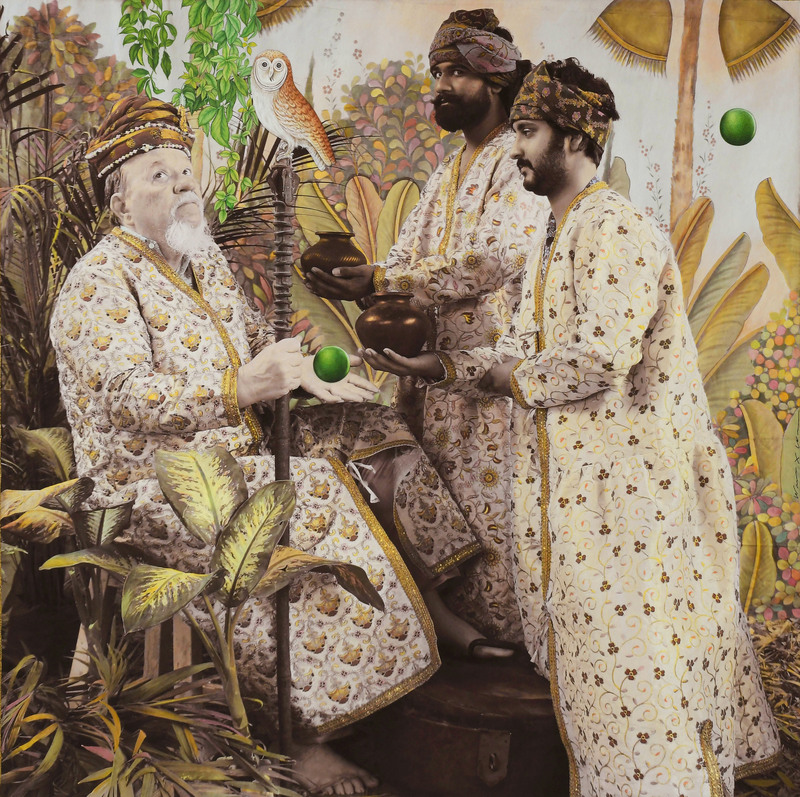
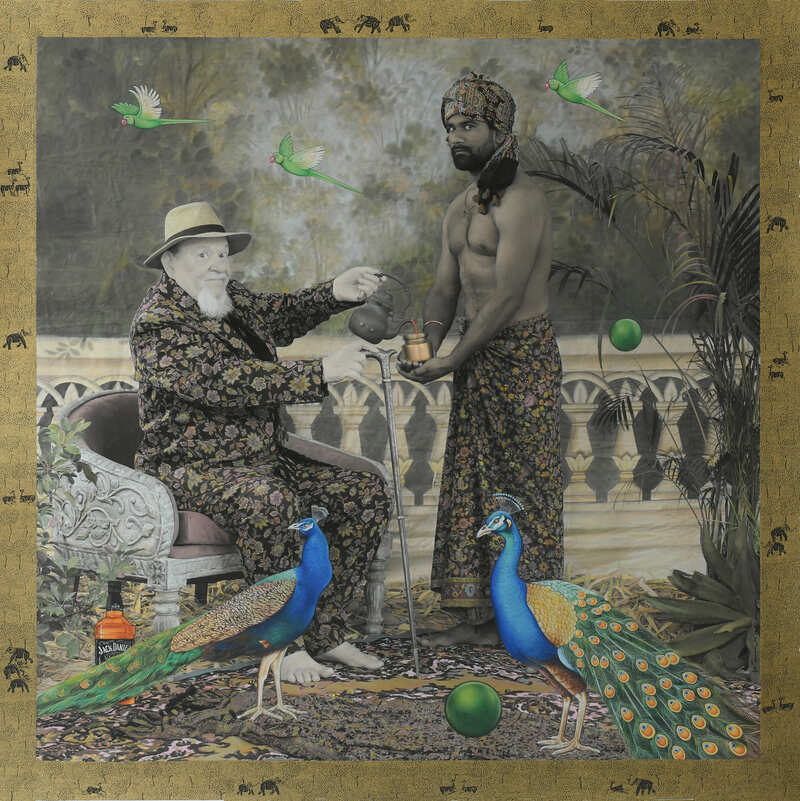
Others explore the instability of narrative itself. Waswo X. Waswo stages identity as a performance, exposing the rehearsed nature of selfhood. Ketaki Sarpotdar lets fable unravel, allowing memory and
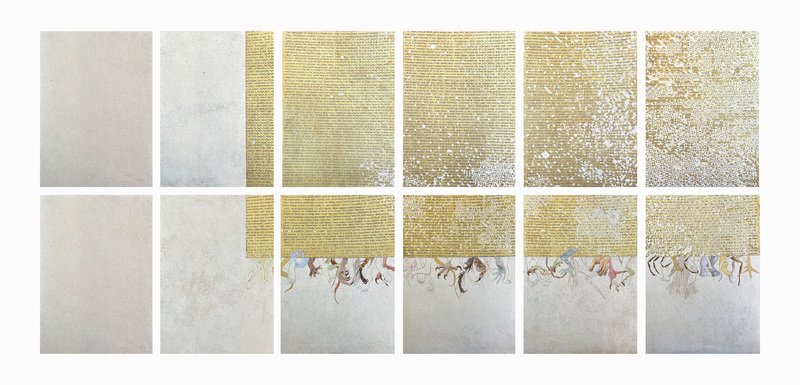
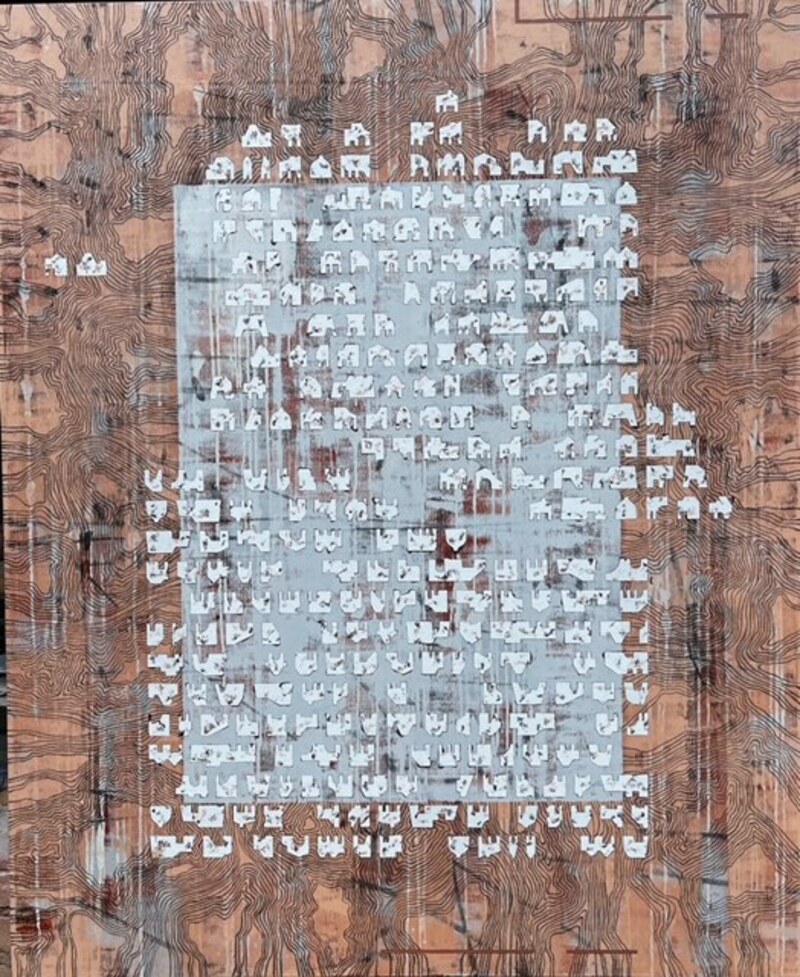
myth to bleed into one another. Gopa Trivedi inscribes time onto surface, dissolving the divide between personal history and collective memory. Shalina Vichitra uses the language of cartography to map displacement and belonging, where territories shift and borders breathe. Waseem Ahmed reinterprets traditional forms through a socio-political lens, subverting historical motifs to challenge power and visibility.
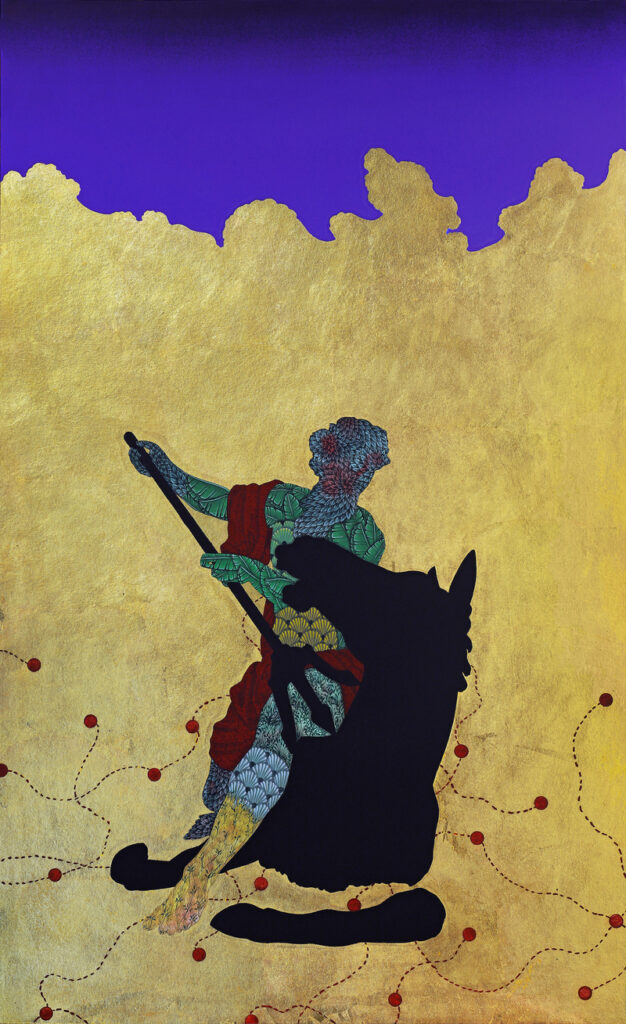
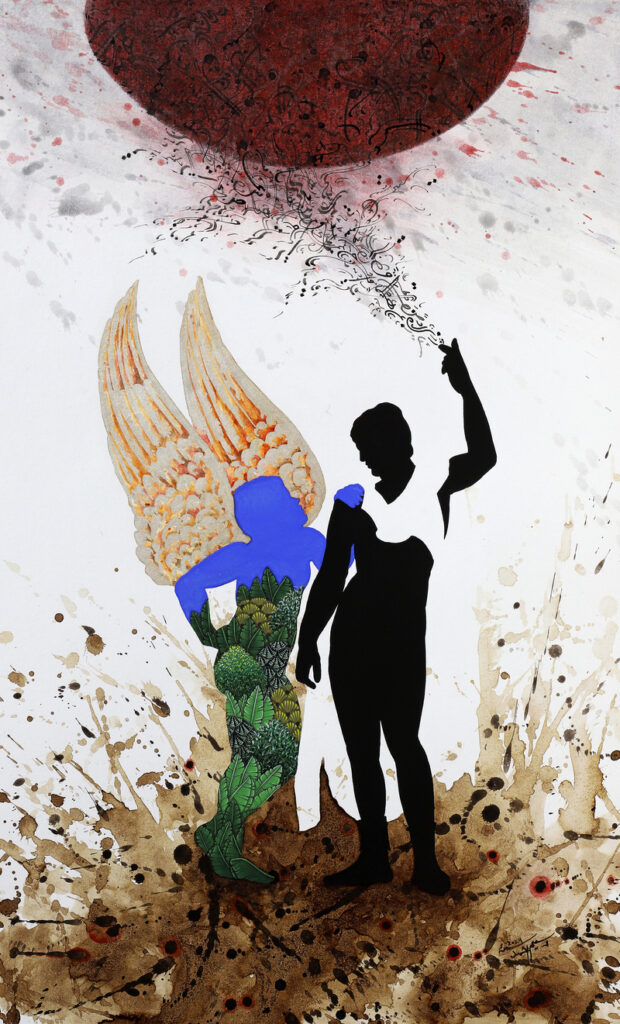
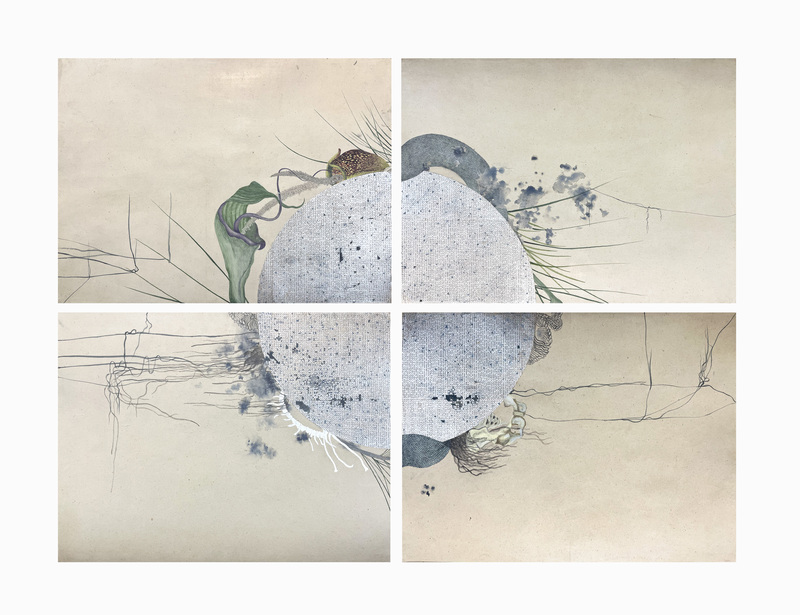
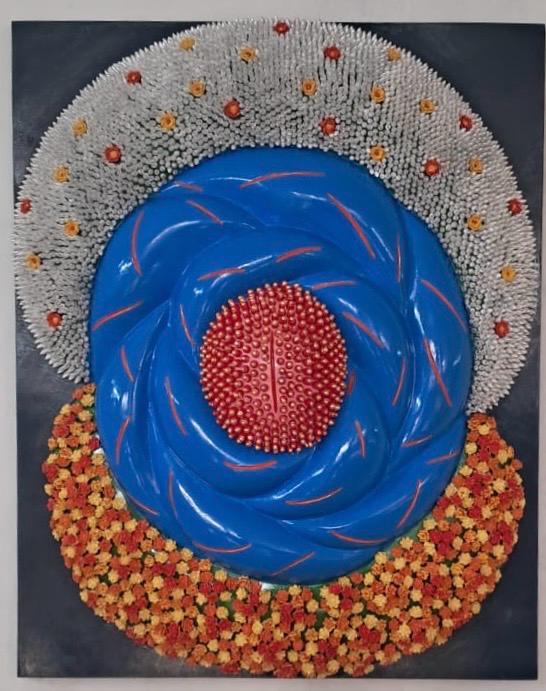
Some artists turn to material itself as a site of resistance. Ravinder Reddy Gavva distorts figuration toward excess, stretching beauty until it fractures into critique. Maryam Baniasadi reimagines the environment not as setting, but as force—where decay and regeneration are bound in constant, entangled motion. Khadim Ali, informed by the trauma of forced migrations, threads together miniature painting traditions and contemporary conflict to explore the interplay of power, memory, and exile.
Across these works, boundaries break and reform. Surfaces refuse stasis. What is erased lingers as an imprint. Meaning is never fixed—it unfolds in motion, through the act of looking, and looking again. To see, then, is to negotiate: between knowing and unknowing, certainty and ambiguity, the visible and the implied. In this space, looking becomes an excavation. These works do not offer resolution—they open fault lines. The image is only the beginning. Beneath it: gestures rephrased, histories resurfaced, maps redrawn. The challenge is not just to see—but to return.
To look, and to look again.
–Curatorial Text by Khushboo Jain
INSTALLATION VIEWS